Chorus and Class Management: Early Observation #3
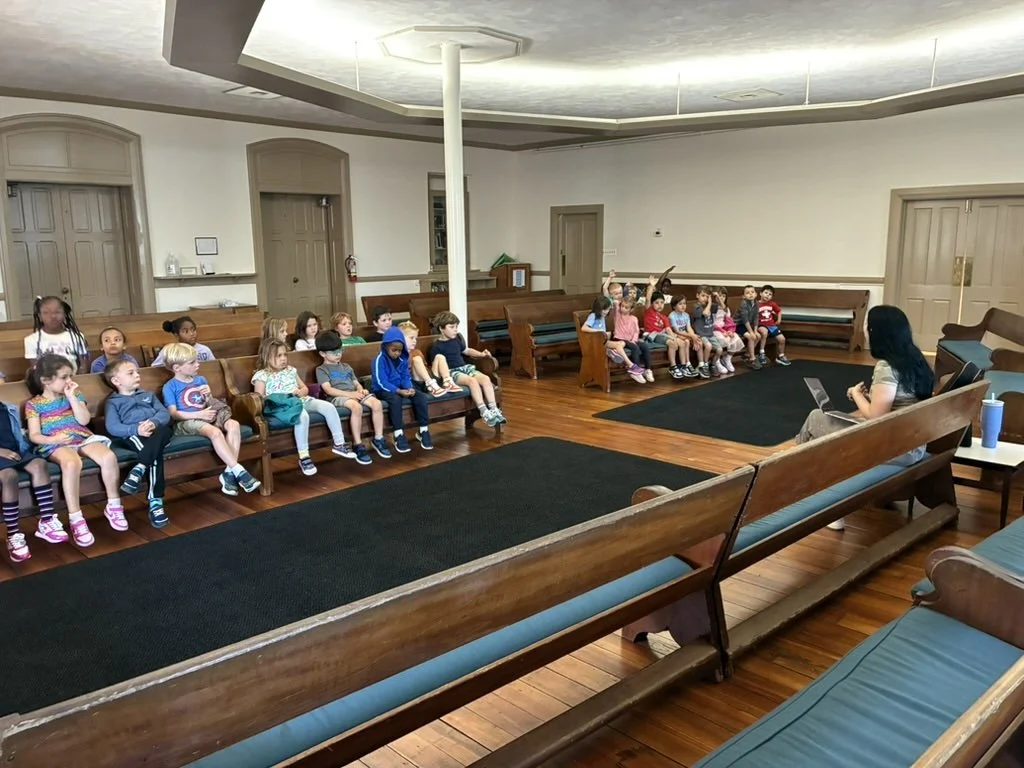
One of the biggest lessons I learned about classroom management during student teaching came from helping in kindergarten chorus each week. Chorus was a difficult setting for many of the students because all of kindergarten came together in one space, which naturally made it feel more social and exciting than the two classrooms. On top of that, the class took place in the Meeting for Worship room, where students were expected to sit calmly on church pews, listen, and manage their bodies for an extended period of time. Teacher Natalie, the chorus teacher, shared that most of her previous experience was with older students, so working with 35 kindergarteners in that environment was a learning experience for both of us.
Because I knew many of the students well from the classroom, I often stepped into a support role during chorus and found myself using a lot of Responsive Classroom strategies in real time. Reading Ruth Sidney Charney’s Teaching Children to Care: Management in the Responsive Classroom helped me think differently about management. Instead of viewing classroom management as “controlling” behavior, Responsive Classroom frames it as helping children learn how to function successfully within a community. That mindset shaped a lot of the decisions I made during chorus.
Most of my redirection was quiet and preventative. I used hand signals like “quiet coyote,” modeled expected behaviors like sitting safely or keeping hands in personal bubbles, and relied heavily on eye contact, and calm reminders instead of public correction. I also realized quickly that proximity and seating mattered. Since I knew which students distracted one another most easily, I loosely guided students toward seats where they would be more successful and closer to teacher support if needed. That small adjustment made a huge difference and reminded me how much classroom management begins with managing the environment before behavior issues even happen.
One student, Jim, especially pushed me to think carefully about responsive management. Jim is vocal, emotionally sensitive, and often needs very direct communication and clear expectations. One day during chorus, he entered already frustrated, covered his ears, and told me he did not want to sing. Through observation over time, I had learned that too much attention from adults sometimes escalated his emotions rather than helping him regulate. Instead of turning it into a power struggle, I responded calmly and confidently, reassuring him that he knew the songs and could do it. Throughout the lesson, he frequently looked toward me before following directions, almost checking for reassurance. I used small gestures, facial expressions, and modeling to redirect him back toward participating with Teacher Natalie and the class. When he interrupted instruction, I corrected him quietly and briefly without embarrassing him in front of peers.
Experiences like this taught me that strong classroom management is deeply connected to relationships. Responsive Classroom emphasizes that children are more likely to meet expectations when they feel safe, respected, and connected to the adults around them. I saw that firsthand in chorus. The students responded best when expectations were calm, consistent, and rooted in trust rather than punishment. I learned that classroom management is not about creating perfect silence or compliance. It is about building a classroom community where children gradually learn self regulation, responsibility, and care for one another.
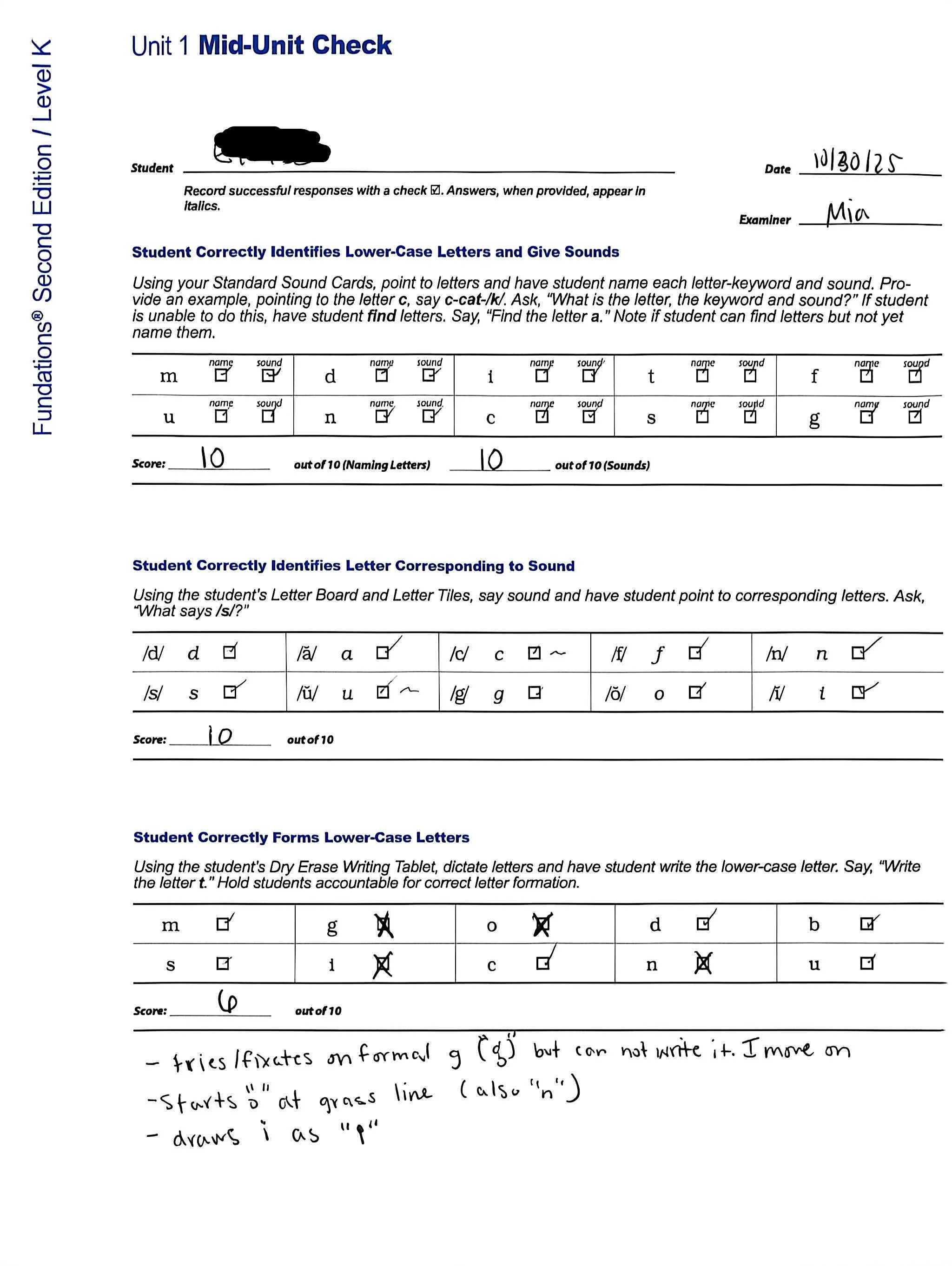
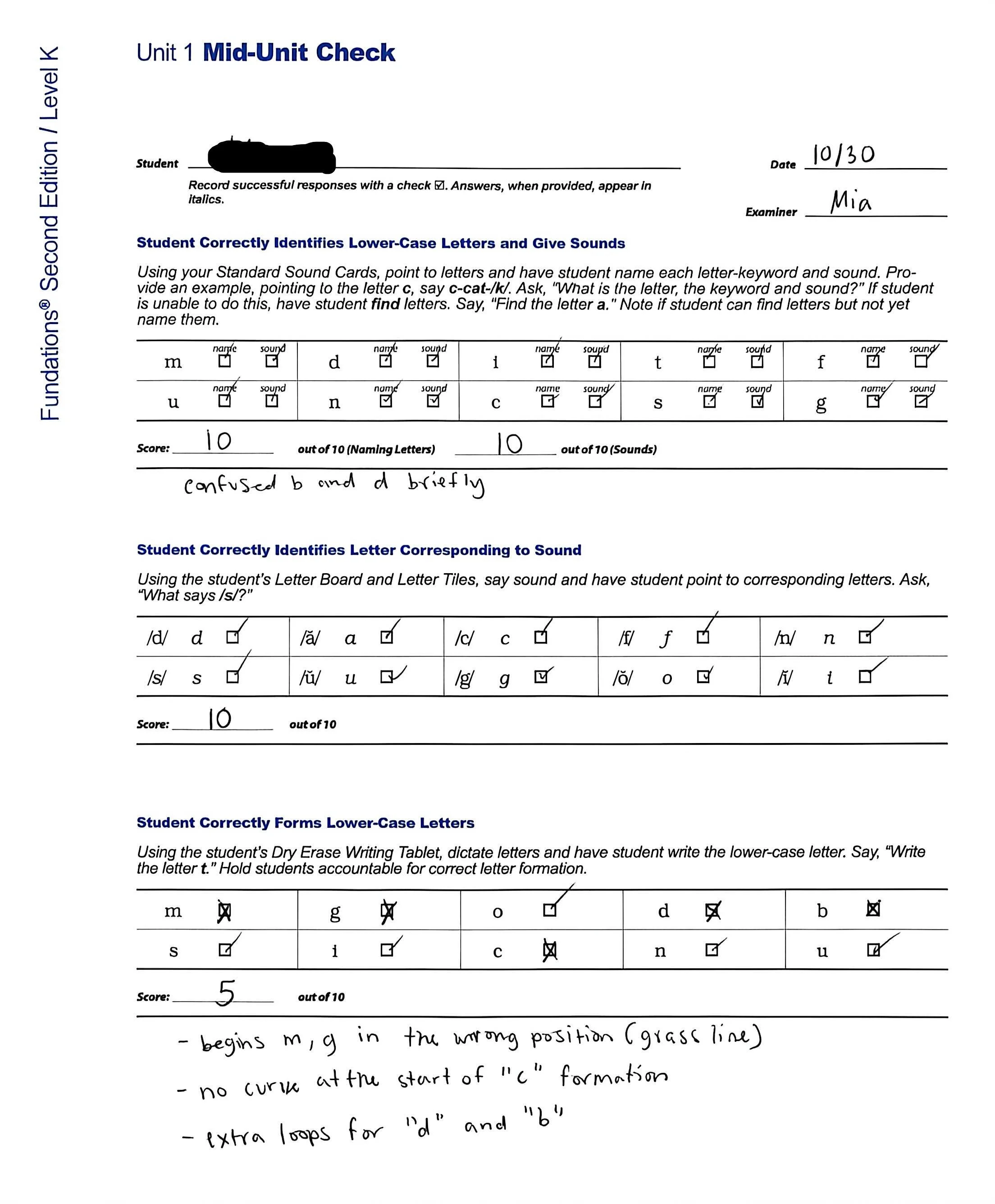
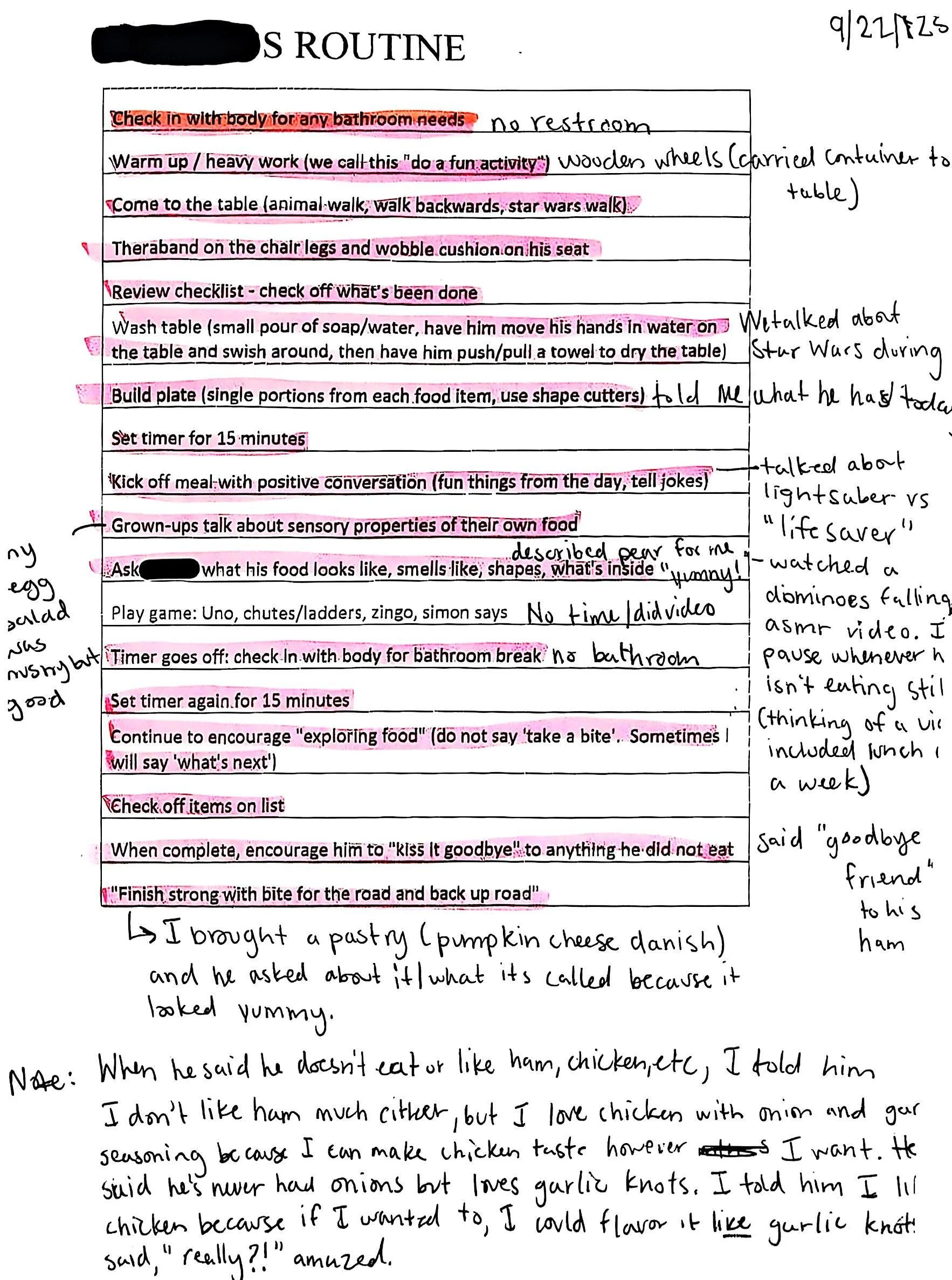
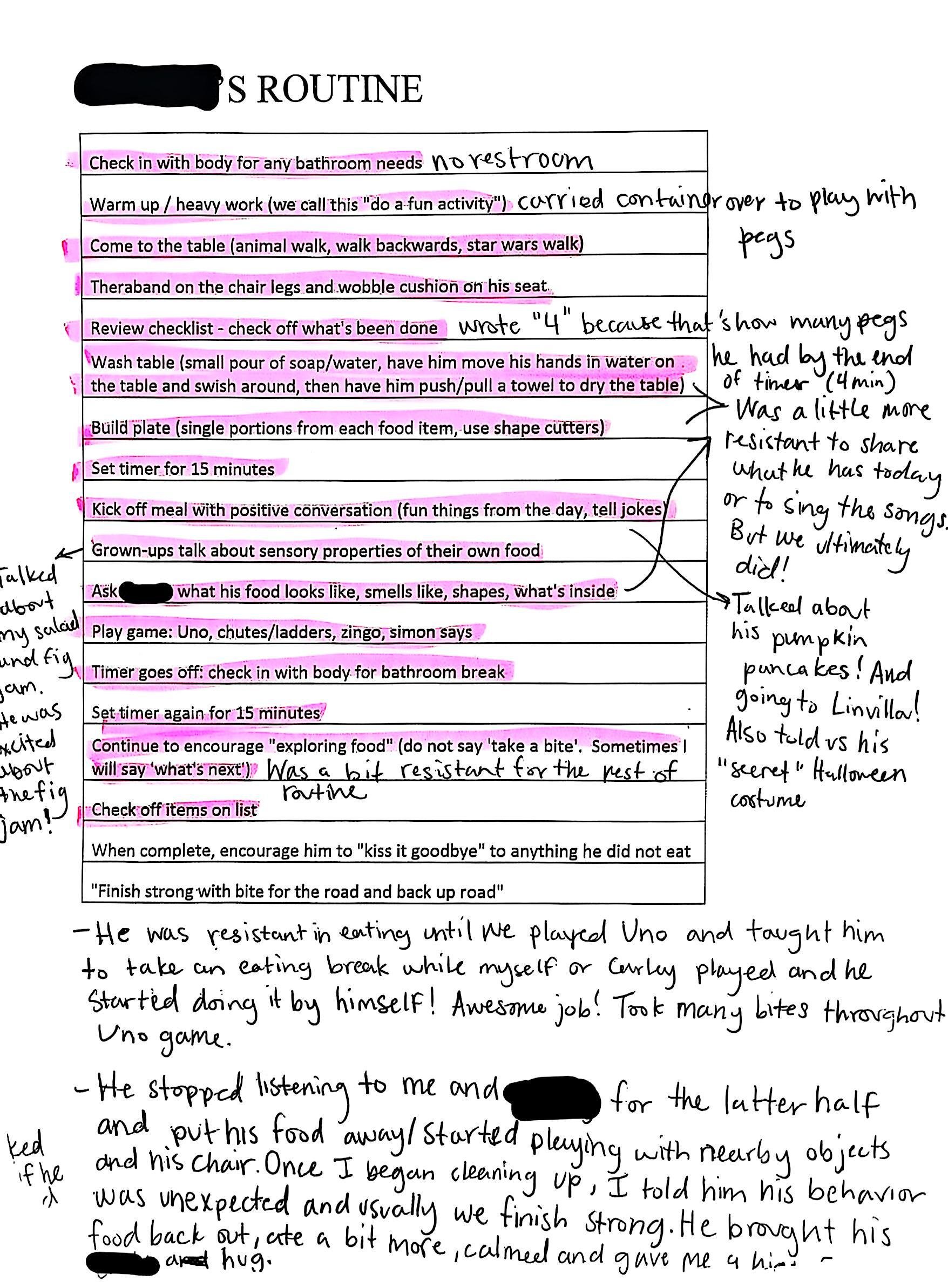
Child Study: Work Progress Monitoring
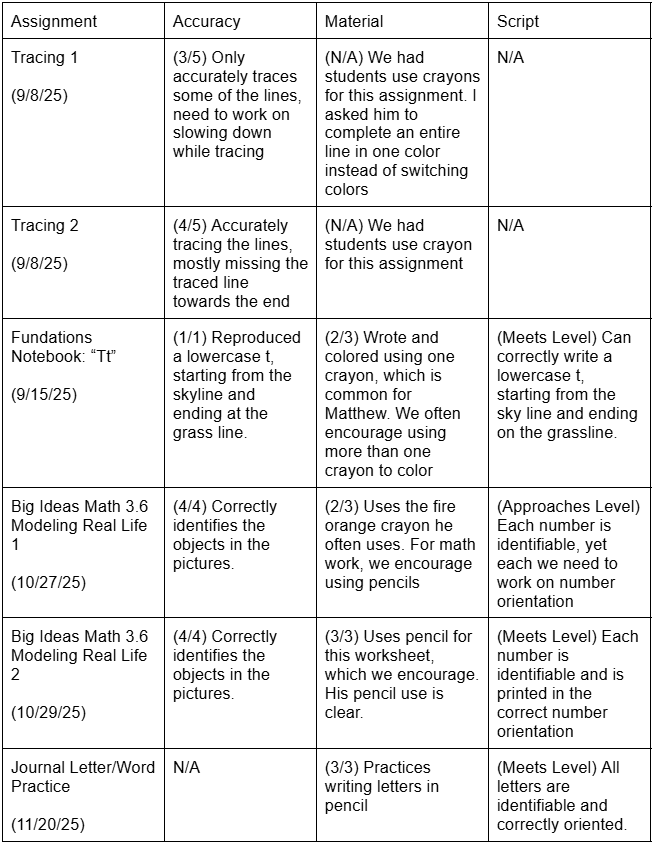
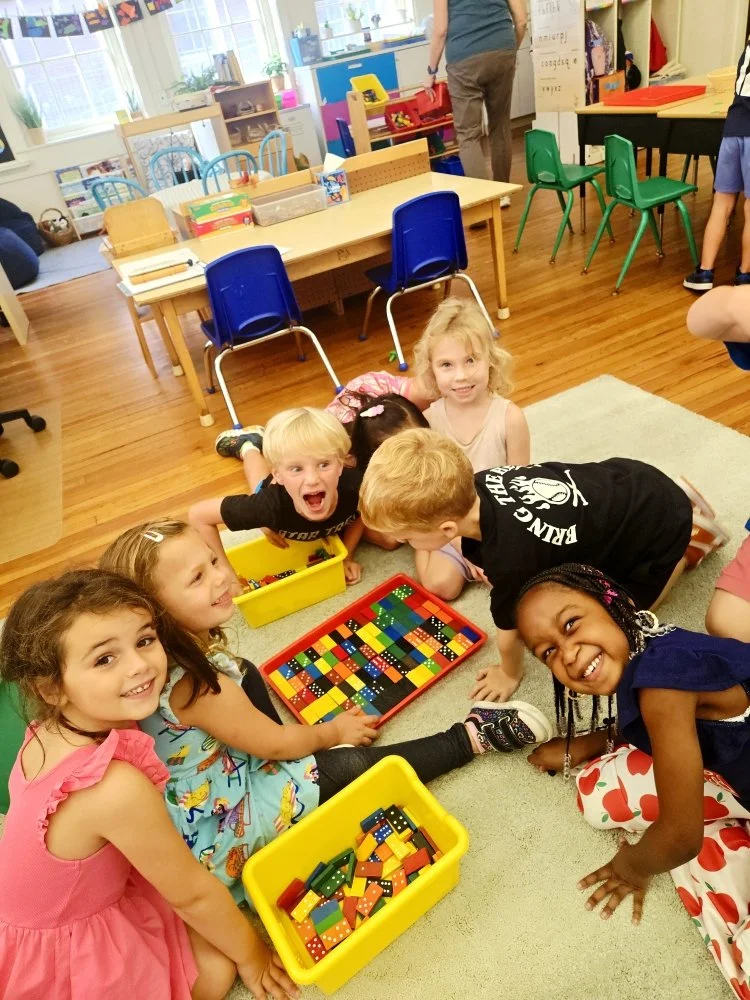
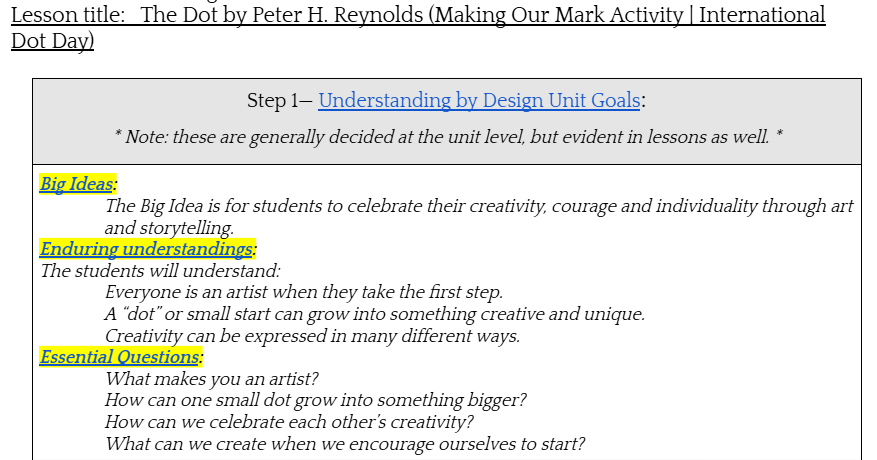
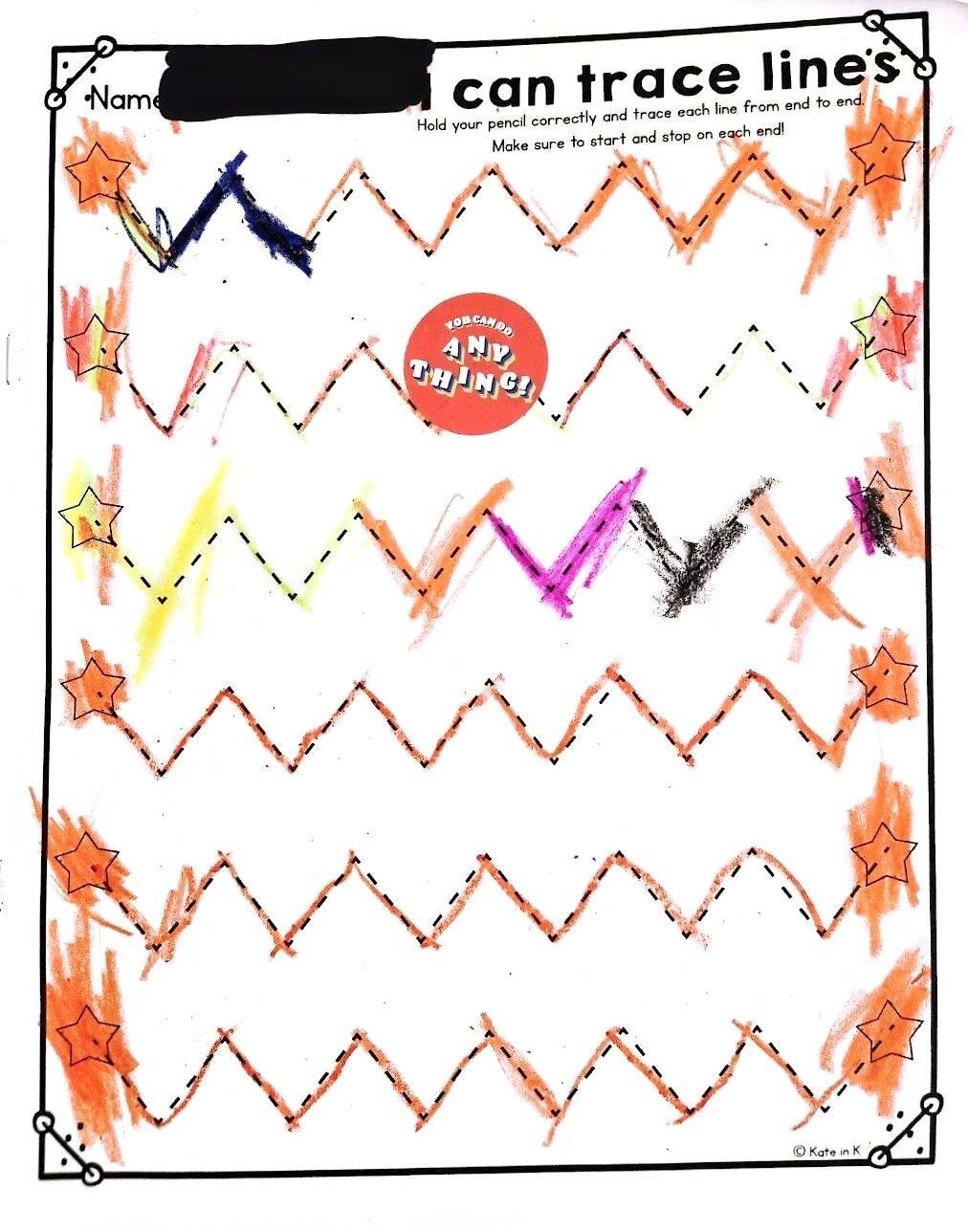
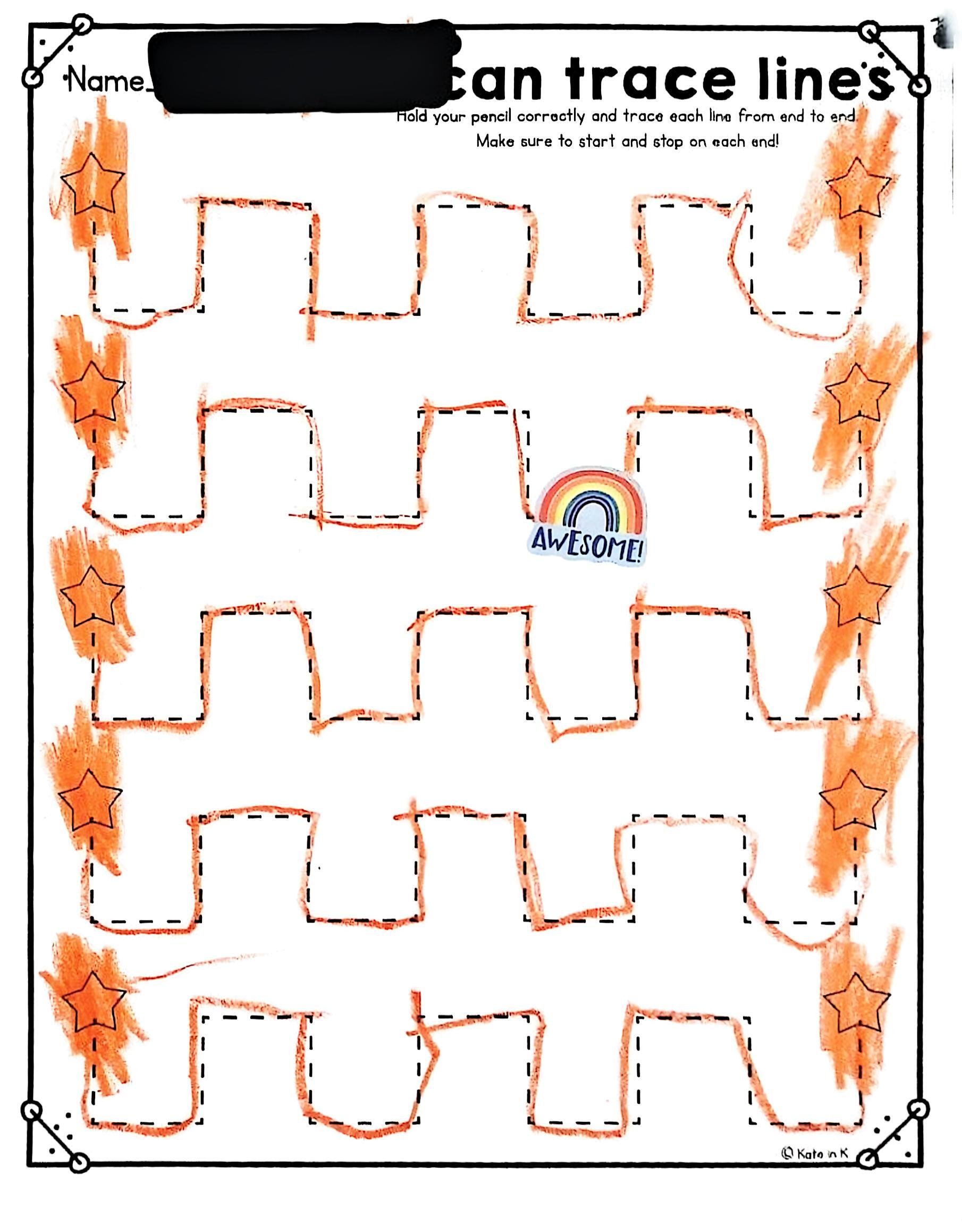
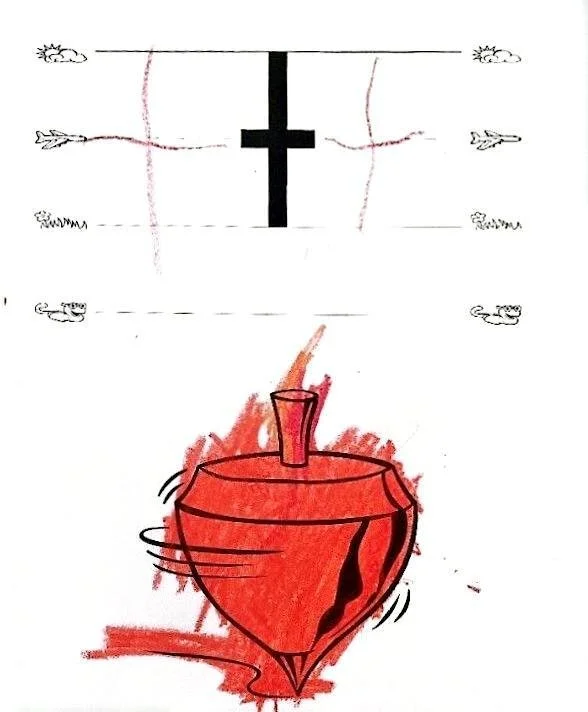
Progress Monitoring Chart (Assignments for Reference Below)
Class Structure: Early Week Observations #2
Seeing the intentionality that goes into the beginning of the school year and structuring the classroom has been very fun to observe. Before any major academic content is introduced, so much work is happening around routines, trust, consistency, and community building. Watching my cooperating teacher build these systems in kindergarten has made me realize how little classroom management is about control. It is about creating an environment where children feel safe, connected, and ready to learn. Many of these practices closely align with the Responsive Classroom approach, especially the emphasis on positive teacher language, interactive modeling, and building community before focusing heavily on academics.
One of the first things I noticed was how much rhythm, repetition, and playfulness are embedded into the daily routines. My mentoring teacher frequently uses rhyming catchphrases to gain students’ attention, such as “Macaroni and cheese, everybody freeze!” or “Ready or not, everybody be on your spot.” There is also a sing song transition phrase for coming to the carpet: “Everybody have a seat on the floor, not on the ceiling, not on the door.” These routines may seem small, but they are developmentally appropriate strategies that help kindergarteners transition smoothly without constant correction or raised voices. The predictability and joy built into these routines reflect Responsive Classroom principles while also connecting to Danielson Domain 2, Creating an Environment of Respect and Rapport, because the classroom culture feels warm, calm, and emotionally safe.
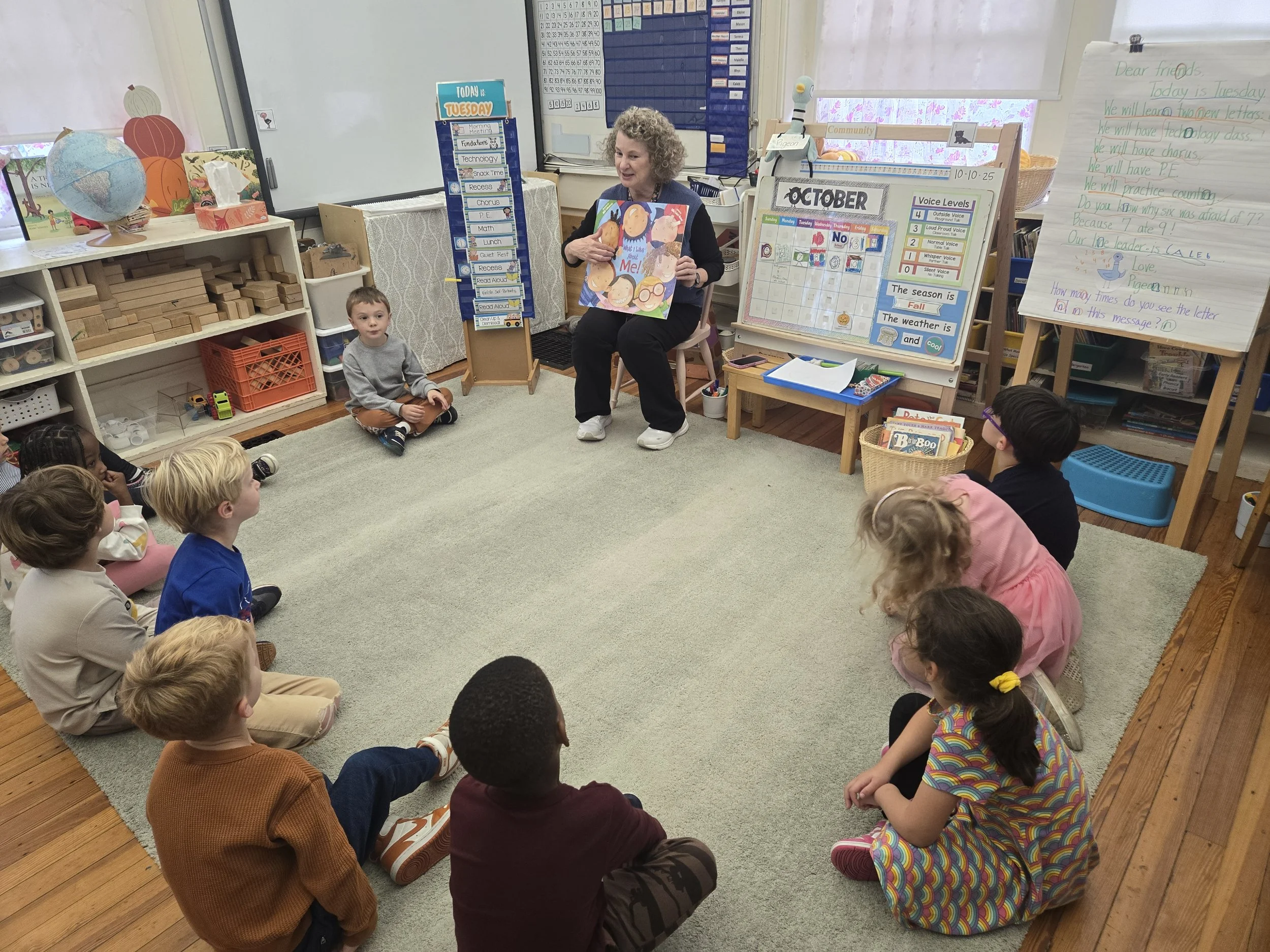
Morning Meeting has become one of the clearest examples to me of how community is intentionally built each day. The students begin with a “Hello Friends” greeting song, followed by a morning message “written” by Mo Willems’ Pigeon (a fan favorite amongst the kindergarteners), and even a brief moment of silence where students practice “holding each other in the light,” reflecting the school’s Quaker values. These routines help students feel recognized and connected before academic learning begins. The class also participates in name games, collaborative discovery play, and uses “ditto” hand signals when students realize they have something in common with each other. These moments encourage students to see themselves as part of a classroom community rather than individuals simply sharing a space. This strongly reflects Responsive Classroom’s focus on belonging and cooperation, as well as Danielson Domain 2’s emphasis on establishing a culture for learning.
I have also noticed how my mentoring teacher handles student struggles and behavioral issues. Instead of public reprimands or punitive responses, she consistently redirects behavior through calm reminders and positive reinforcement. Phrases like “I notice how Ella is following the expected behavior,” or “Thank you Matthew for using your listening ears,” redirect attention toward positive models rather than shaming students who are struggling. Another phrase I hear often is, “Let’s try that again,” which gives students space to correct mistakes without embarrassment. The class also roleplays expected behaviors together during circle time sometimes, practicing routines collaboratively instead of simply being told rules. These approaches align closely with Responsive Classroom teacher language practices and demonstrate Danielson Domain 3, Using Instruction to Support Student Learning, because behavior support is treated as part of teaching rather than separate from it.
One last very meaningful thing I have observed is the intentional effort to build stronger one on one relationships with students who struggle behaviorally or emotionally. Rather than labeling students as “difficult,” my mentoring teacher works to reinforce trust, consistency, and connection. This has reminded me that effective classroom management in kindergarten is deeply rooted in belonging. Students are much more willing to take risks, recover from mistakes, and engage in learning when they feel emotionally secure within the classroom community. Observing these systems in practice has shown me that Responsive Classroom is not simply a set of activities or strategies. It is really a philosophy about treating children with dignity, building predictable and caring environments, and recognizing that relationships are foundational to learning.
Teaching With ADHD
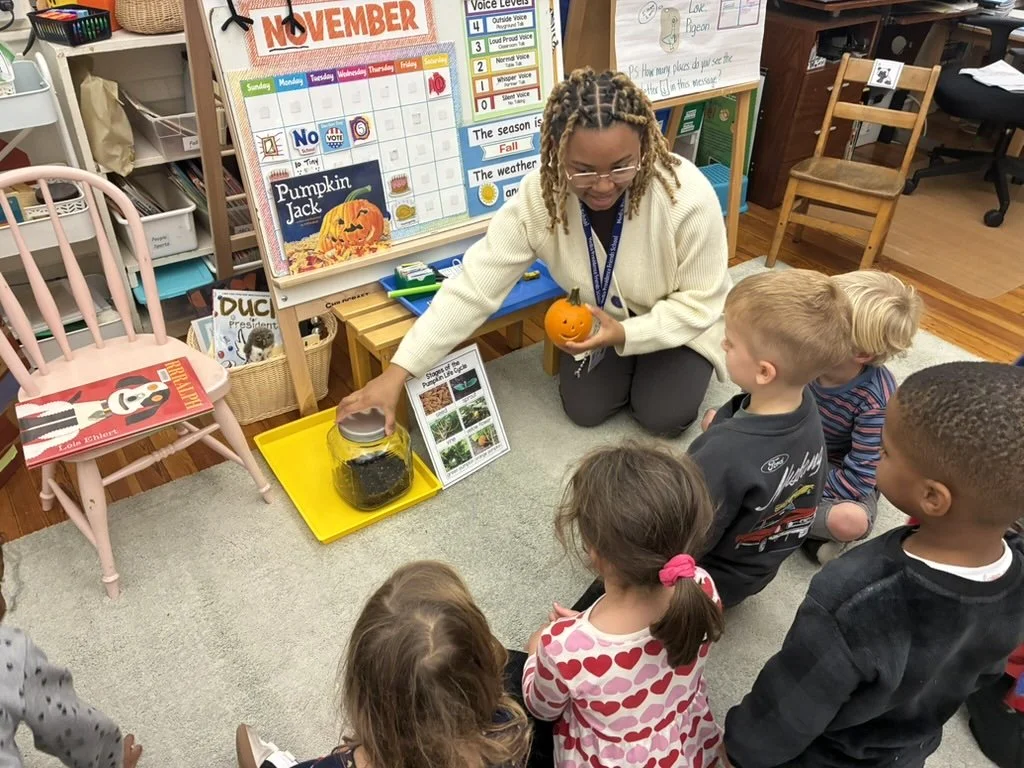
Student teaching in a kindergarten classroom taught me not only about instruction and classroom management, but also about how to manage my ADHD in a professional teaching environment for the first time. Kindergarten classrooms move quickly and require constant attention, flexibility, and emotional presence, so I had to become intentional about supporting myself in order to show up consistently for my students.
One of the first things I realized was how easily I forget basic needs, especially eating, when I become focus or very in the moment. Because teaching kindergarten can be physically and emotionally demanding, I started meal prepping every Sunday so I would always have lunches and snacks ready for the week. Even though I usually do not eat three full meals a day, I made sure to have a small breakfast and bring lunch every day to maintain my energy. Funnily enough, my students helped keep me accountable. Snack time is extremely important in kindergarten, and the children were always quick to notice if I did not have one. Hearing “Teacher Mia, where is your snack?” became both funny and genuinely helpful. This experience reminded me that taking care of myself was necessary for maintaining the positive and supportive classroom environment emphasized in Danielson’s Domain 2.
Time management was another challenge. One of the hardest parts of ADHD for me is time blindness, where five minutes can feel like thirty seconds. To help myself stay aware of pacing during lessons, I built an association between checking the clock and something I constantly said throughout the day: “friends,” which is what we call the students at the school. Every time I addressed the class as “friends,” I would glance at the clock. Because I used the phrase so often, the habit eventually became automatic and helped me better manage transitions and instructional time, connecting closely to Danielson’s Domain 3 on effective instruction and classroom procedures.
I also learned that task initiation becomes easier for me when I connect personal joy and creativity to my work. Sometimes starting a task feels overwhelming, even when I know I will enjoy it once I begin. Teaching elementary helps with this because I could incorporate my interests into lessons through read alouds, art activities, experiments, and projects. When I was genuinely excited about what I was teaching, it became easier to stay focused and motivated. This reflected Danielson’s Domain 1, Planning and Preparation, because engaging instruction begins with thoughtful, meaningful lesson design.
Throughout student teaching, I also relied on smaller supports like sticky note reminders, visual schedules, consistent organization systems regarding assessment and lesson planning, and movement throughout the day to help regulate my focus and energy. Over time, I stopped viewing these strategies as managing weaknesses and instead saw them as tools that allowed me to teach more effectively. Student teaching ultimately showed me that ADHD does not prevent me from being a strong educator. In many ways, it has made me more creative, adaptable, and empathetic toward students who may need similar support in the classroom.

Teacher Lisa’s Morning Meeting: Early Week Observations #1:
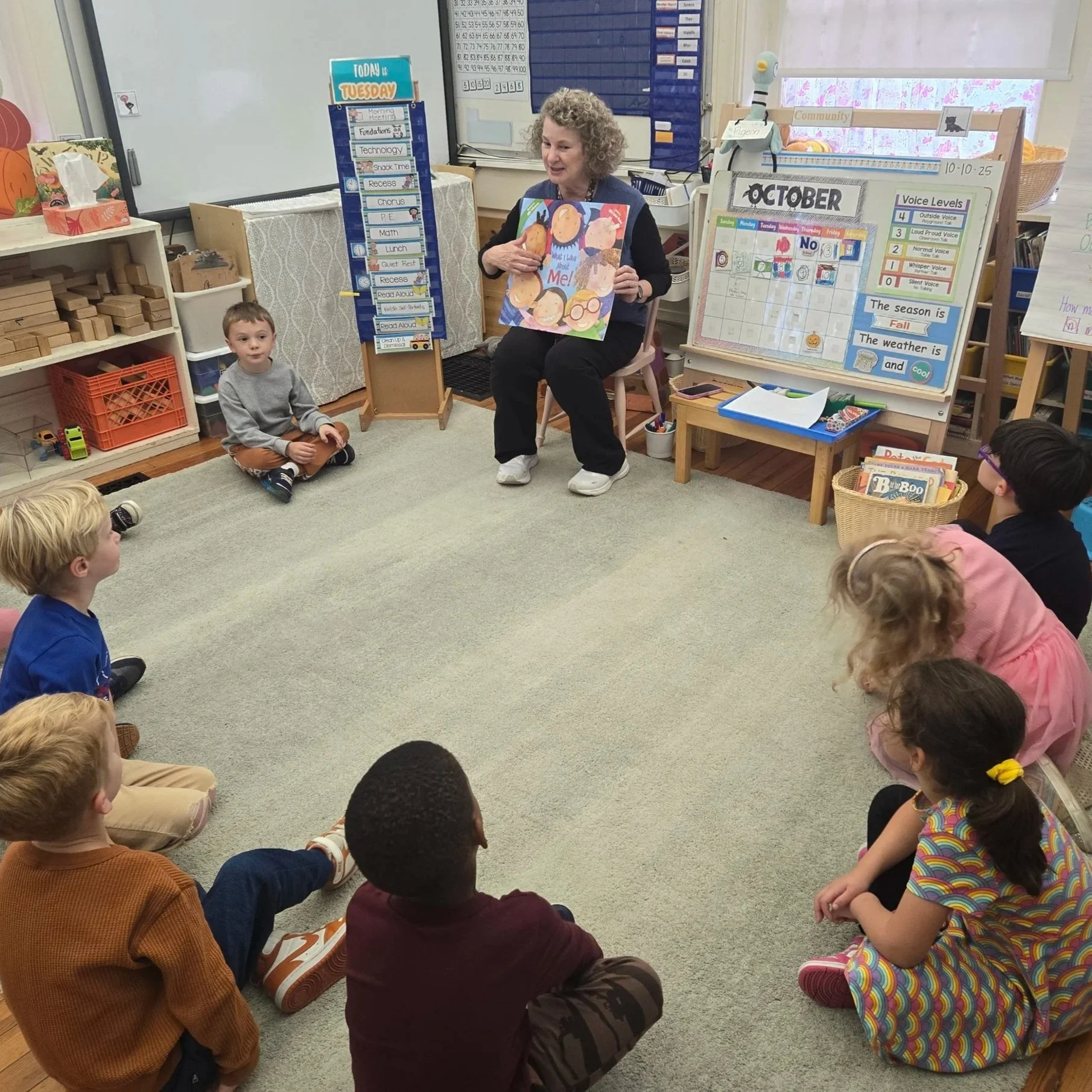
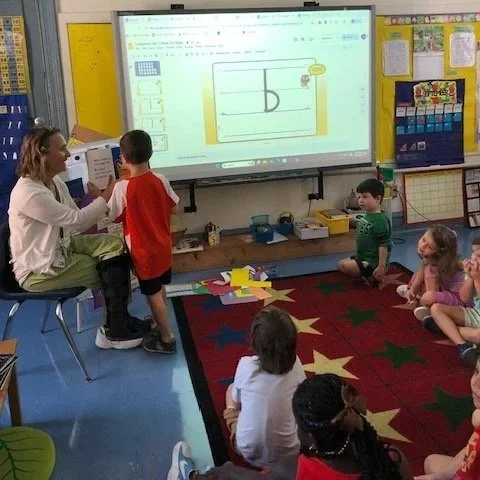
Today, I observed a thoughtfully structured morning routine that balances community building with gentle entry into academic learning. Students begin the day by writing or drawing their names on the Smartboard for attendance, then move into Discovery Time with low-stimulation play like blocks, puzzles, and dry erase board drawing. After this soft start, the class gathers for Morning Meeting, where they count how many Friends are present, read classmates’ names from the board in order, review the schedule, and rotate through classroom leadership roles such as reading helper, calendar helper, counting helper, and writing helper. These roles invite students to read the days of the week, add the next calendar date, count the number of days they have been in school, and record the weather using labeled words. The routine is calm but purposeful. It allows students to practice early writing, counting, phonemic awareness, and leadership in ways that feel playful and safe rather than pressured, which I think relates to the the Learning Experiences domain by creating engaging and meaningful oppurtunies for students to participate in learning before formal instruction even begins.
What stood out to me is how closely this aligns with ideas from The First Six Weeks of School. The book emphasizes predictable routines, student responsibility, and a strong sense of classroom community as the foundation for later academic success. Morning Meeting in this classroom clearly serves those purposes. Children know what comes next, they see themselves as contributors, and they practice social and academic skills simultaneously. Leadership roles reflect the book’s guidance on giving children meaningful responsibility, and the tone of the morning feels like what Responsive Classroom describes as “calm, joyful structure.”
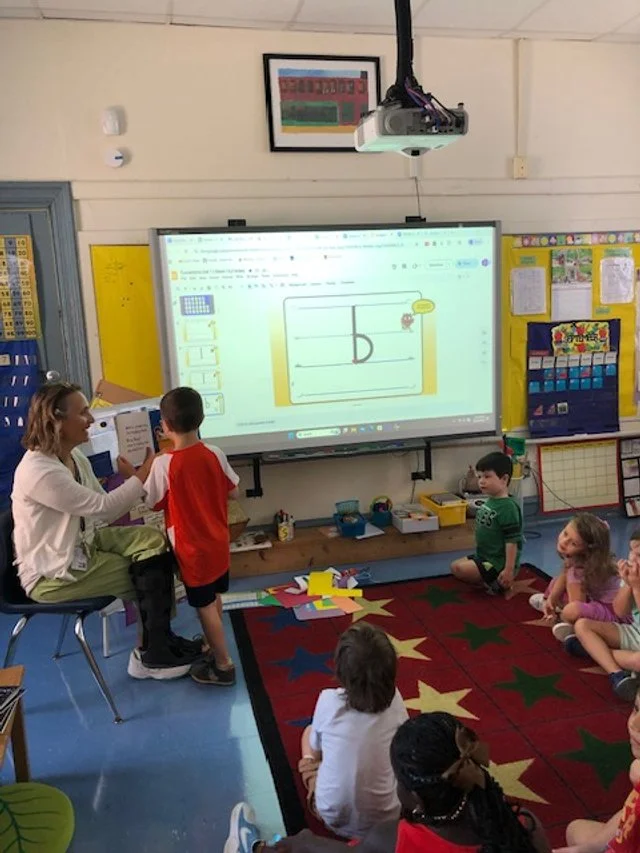
Teacher Lisa’s class also highlights how time is used intentionally, and reminds me of the Planning and Preparation Danielson domain, as it demonstrates thoughtful structure of activities by weaving literacy and math concepts into the community roles. Because her morning schedule is longer, she lingers in the community-building space of Morning Meeting. She also intentionally accelerated some early writing and phonemic awareness work before her absence later in the month, embedding this extra learning within the known routine rather than extra, formal lessons. And academic content appeared in subtle ways. For example, the reading helper accidentally said “Tuesday” instead of “Thursday,” demonstrating that she is already making letter-sound connections (The letter “T” with “Tuesday”) and associations among familiar words (“Tuesday” also being a day of the week). Rather than treating this as a mistake, it became a natural learning moment and phonic practice.
This routine is particularly impactful for students like “Henry”, who sometimes struggle with stamina for more formal blocks like Fundations or math. During highly structured lessons, Henry can feel overwhelmed or resistant, wanting more time for play or movement. In contrast, he thrives in Morning Meeting, where he eagerly volunteers to greet classmates, read the schedule, or help count the days of school. This is a powerful reminder that academic learning does not only happen during “official” instruction. In the flexible space of the morning routine, Henry practices literacy and numeracy while experiencing belonging and competence. That sense of belonging is central both to early childhood education and to Muhammad’s emphasis on love as a necessary condition for learning.
Seeing this has influenced my own developing practice. I hope to incorporate similarly expansive morning routines, with leadership roles and playful literacy and math review woven throughout the day. I am especially interested in adding songs and jingles like Teacher Kristin uses to support sequencing of days and numbers, since music helps anchor memory for young children. Overall, this observation reinforced that structure does not need to feel rigid, and that academics built into joyful community rituals can be just as powerful as direct instruction, if not more so, especially in the early weeks of school.
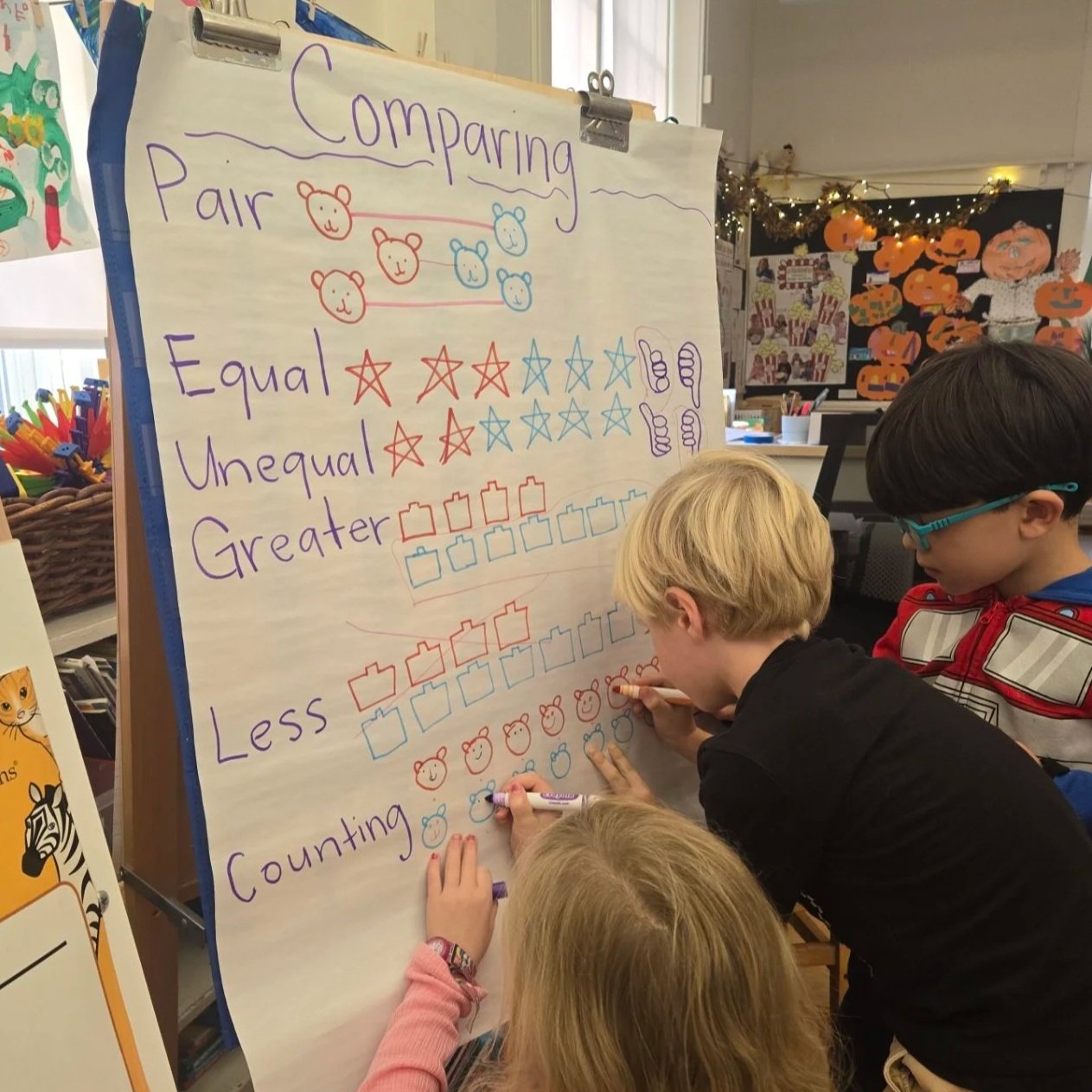
Circle Time: Math and Anchor Charting
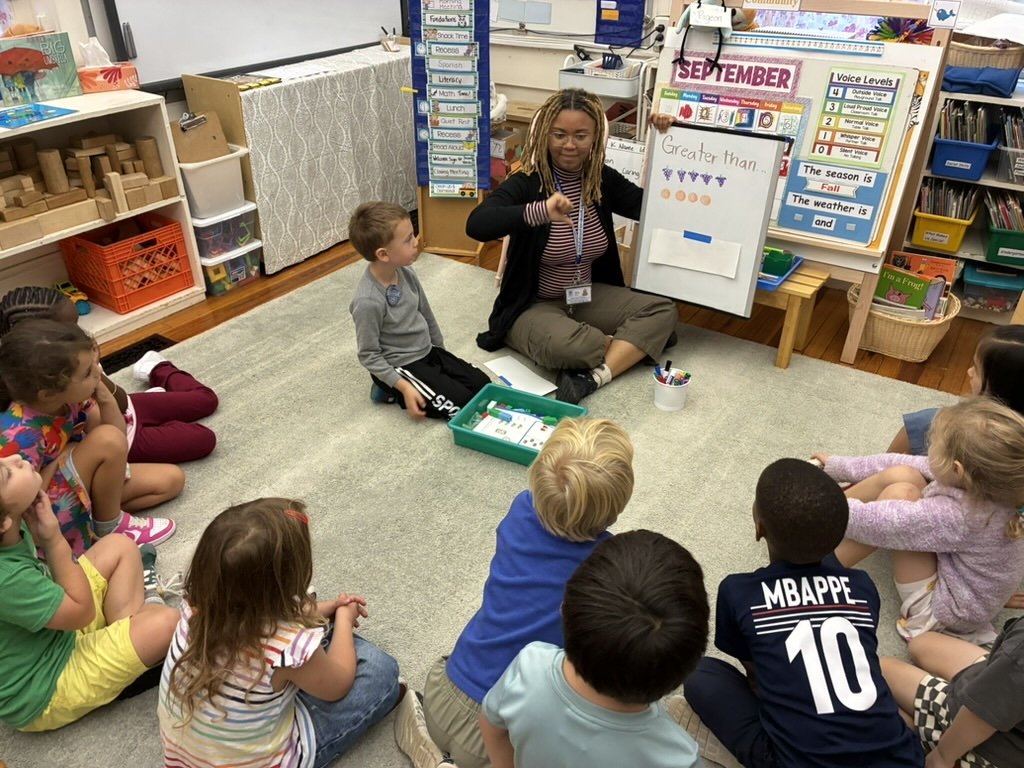
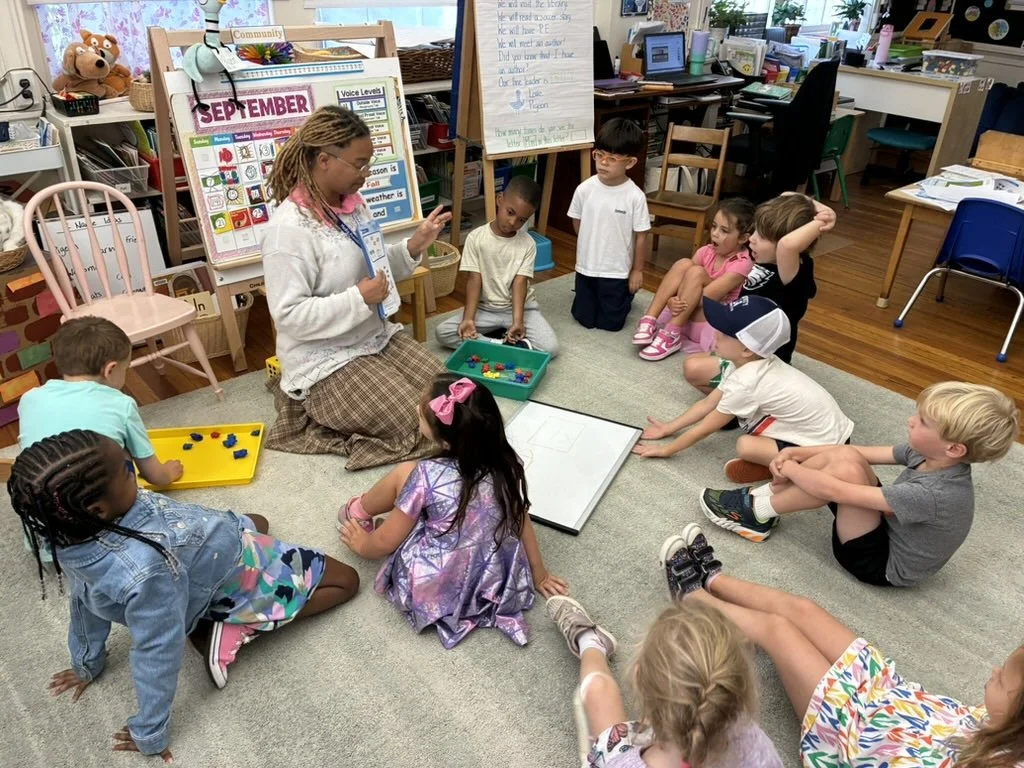
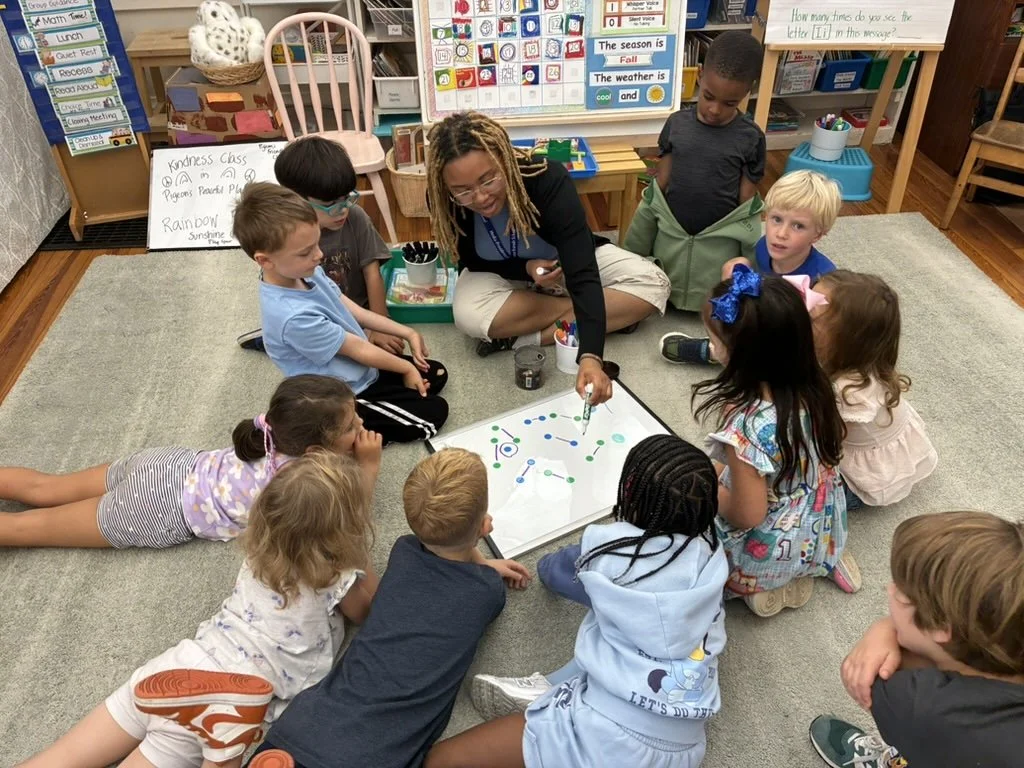
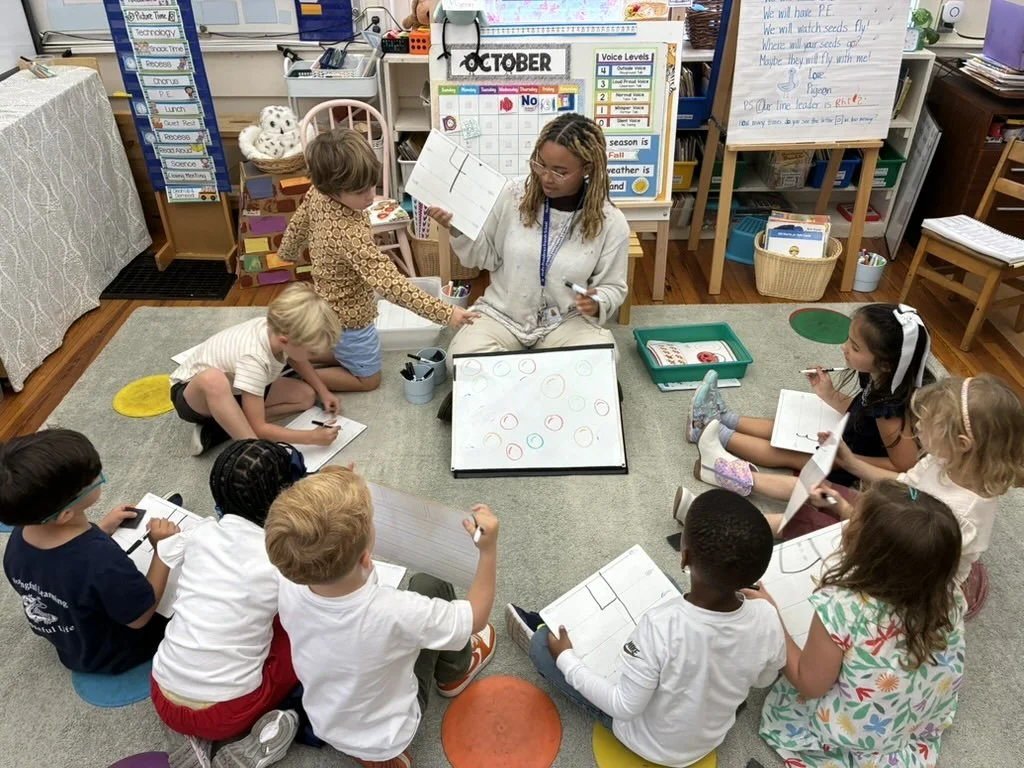
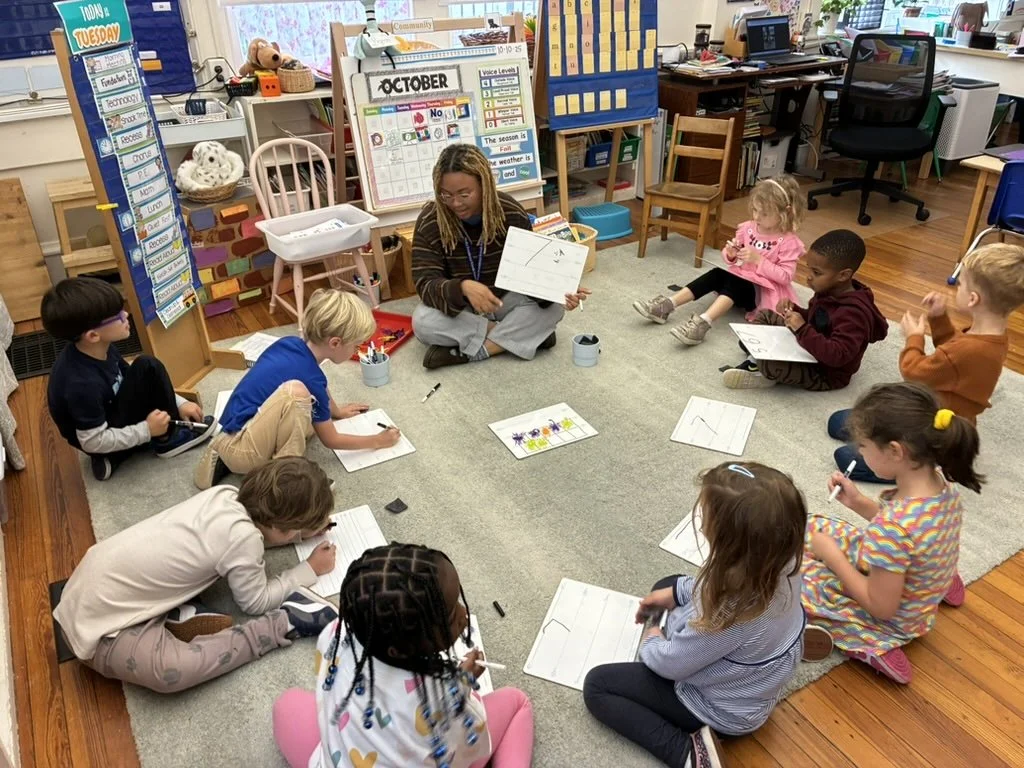
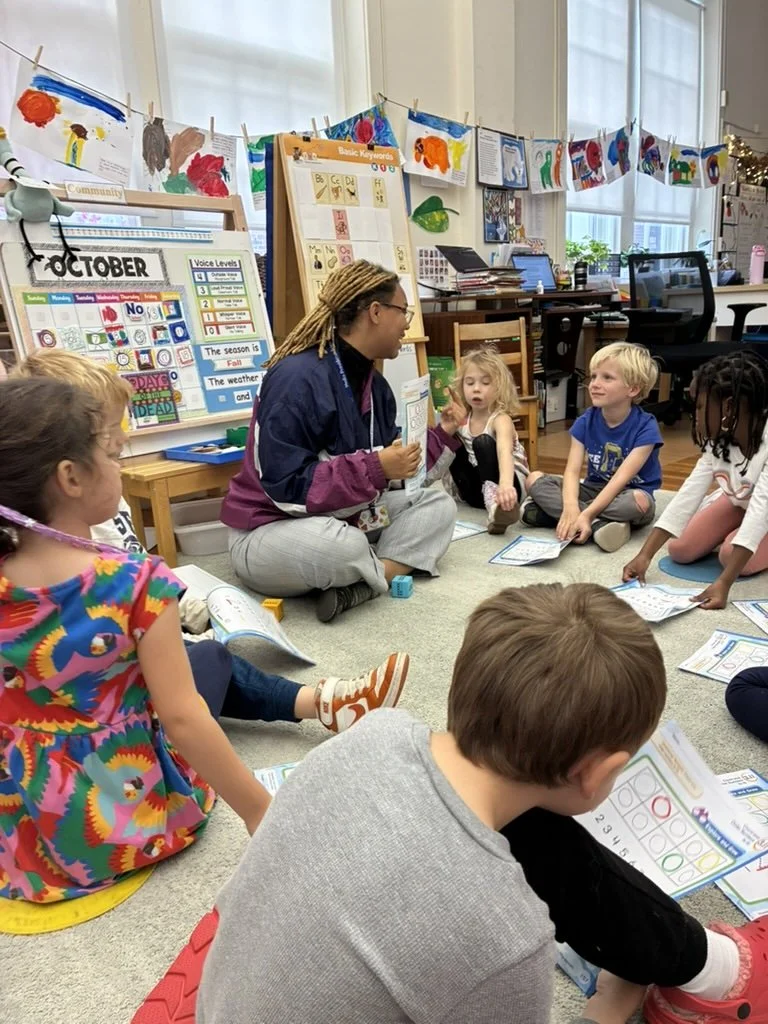
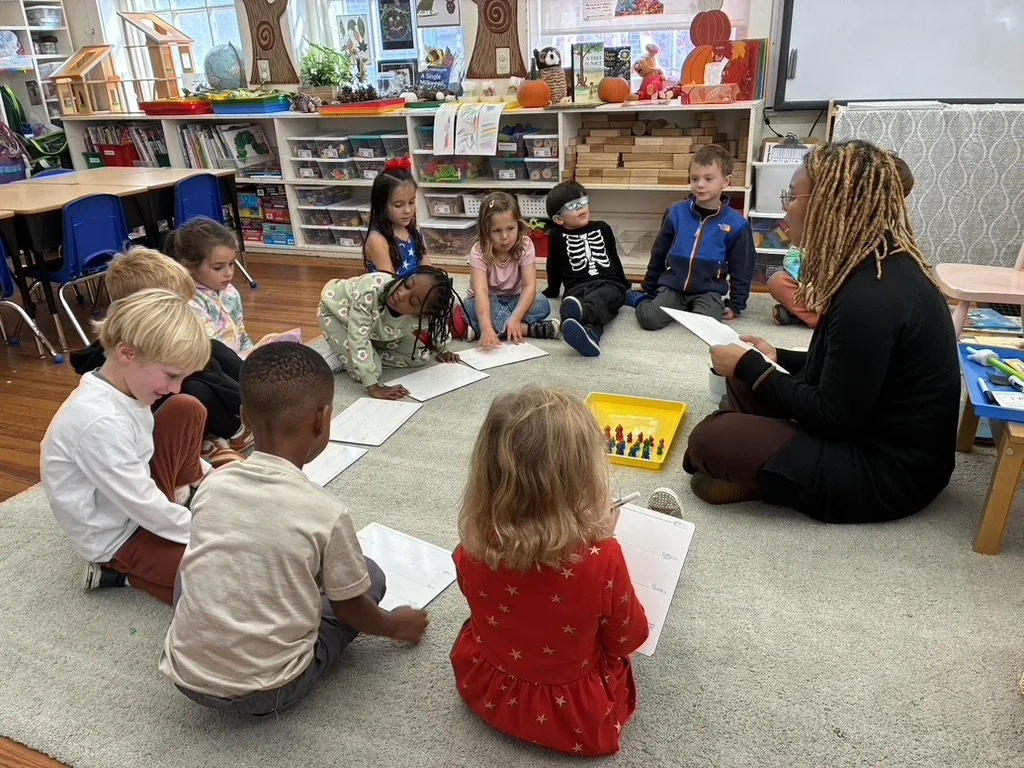
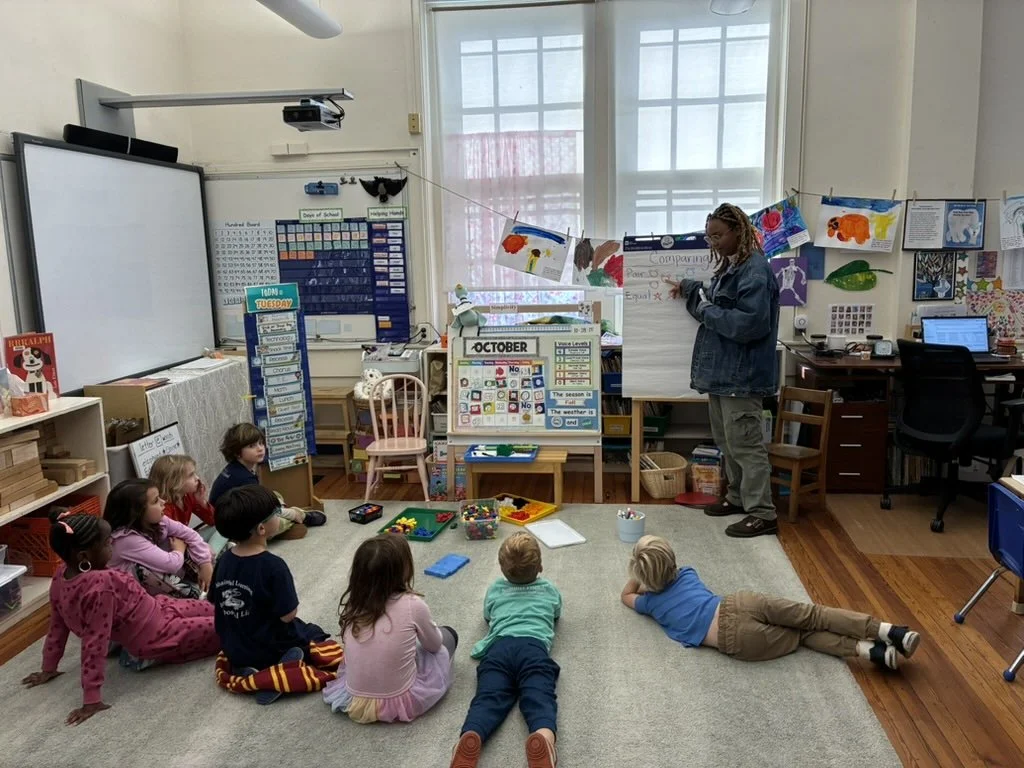
One of the most meaningful instructional strategies I explored during student teaching was introducing anchor charting into our kindergarten math time on the carpet. Anchor charting is really the process of capturing students’ thinking in real time and turning it into a visual reference that remains accessible long after the lesson ends. In kindergarten, where so much learning is hands on and language building, anchor charts help make abstract ideas visible and concrete.
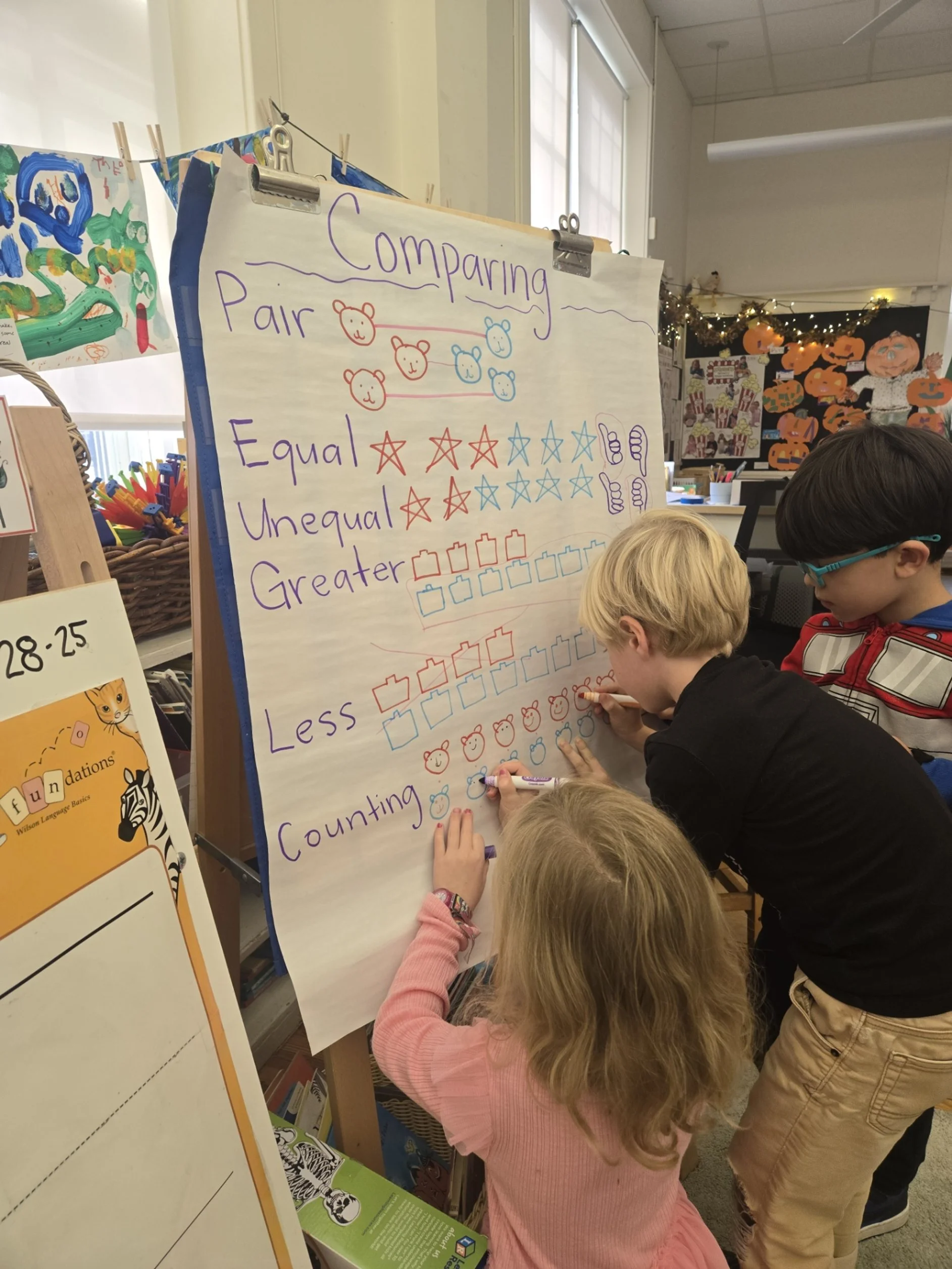
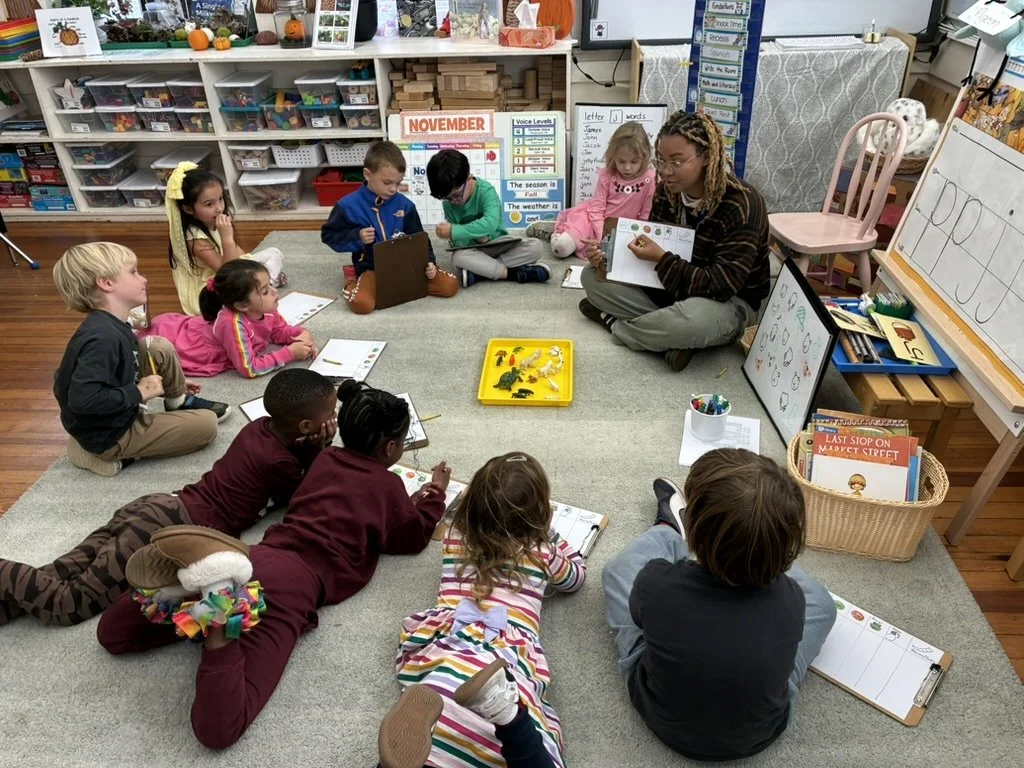
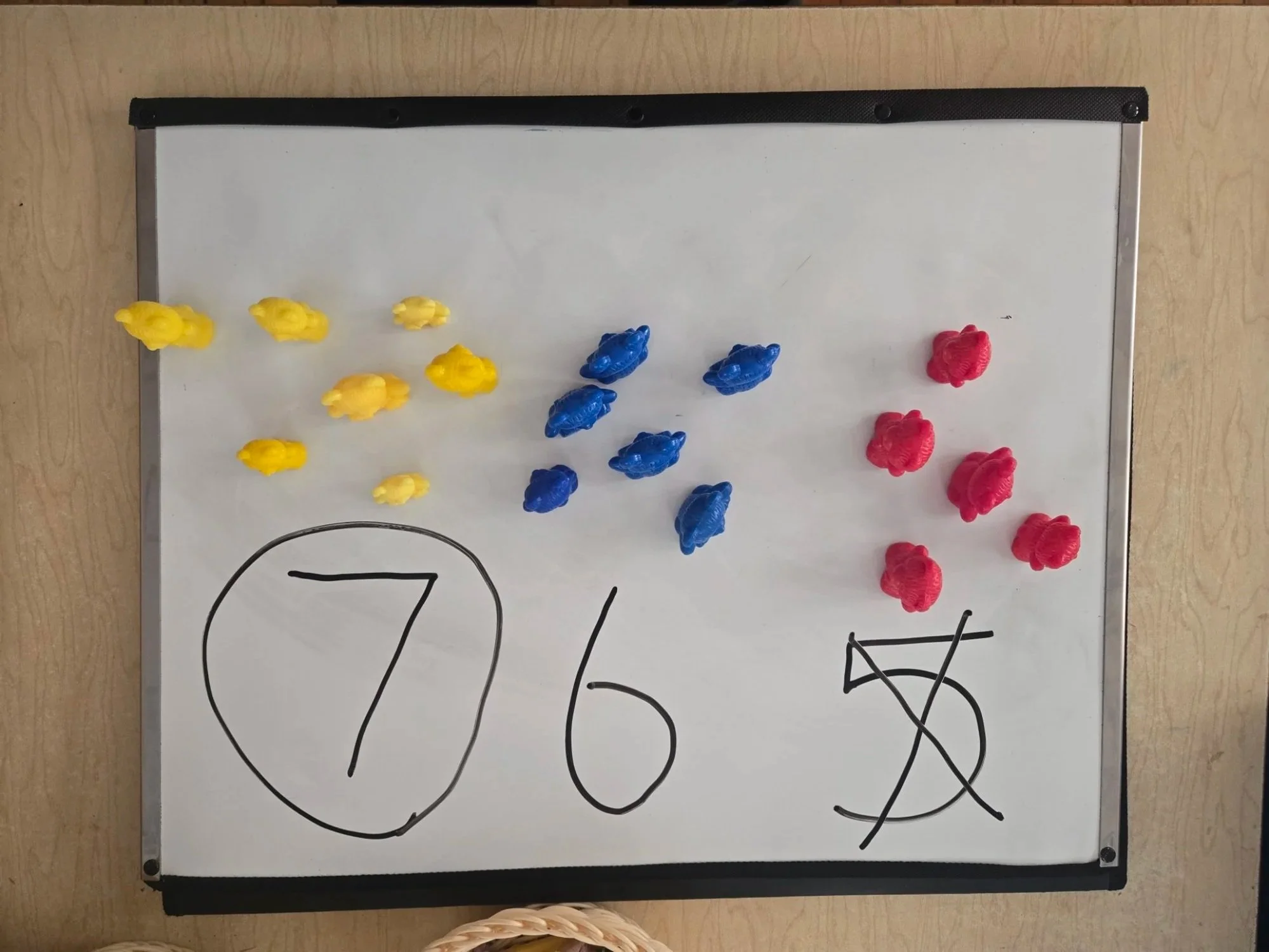
During our Chapter 4 math lessons on comparing numbers to 10, I saw how helpful anchor charts were for building mathematical vocabulary such as “more,” “fewer,” “greater than,” and “less than.” I had students take turns at the board and with the marker, adding faces and demonstrating our strategies (e.g., crossing items out, creating pairs, circular the greater object). When we built the comparison charts together using the drawings but also ten frames and cubes/manipulatives, the students were able to connect the language directly to what they were seeing and doing. This reflected Danielson’s Domain 3, Engaging Students in Learning, because the chart became an interactive part of the lesson rather than something I simply presented to the students.
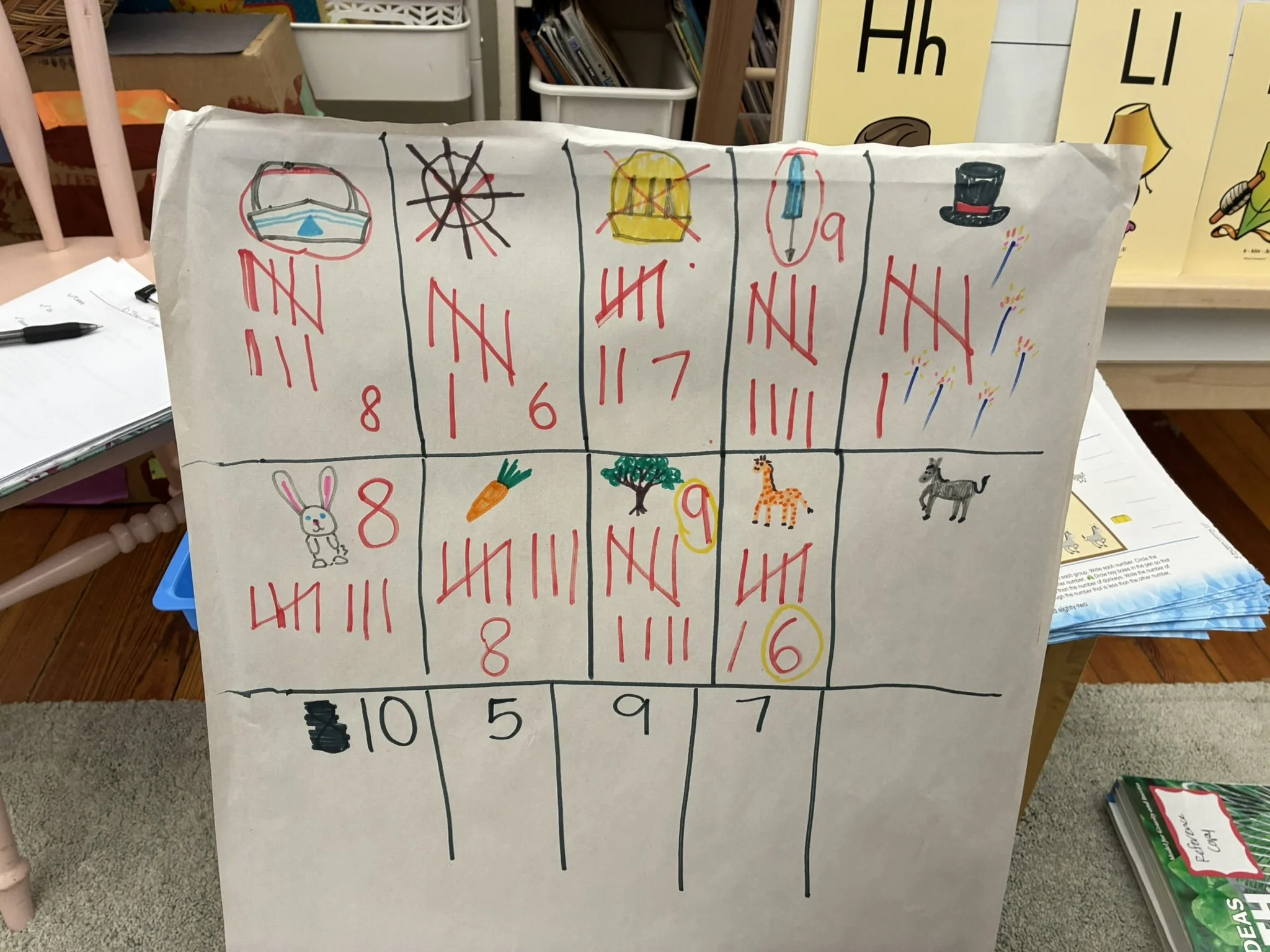
I also noticed that anchor charts helped students connect different lesson structures into one coherent idea. One lesson focused on matching pairs to find equal groups, another on counting and writing numerals, and another on comparing number symbols (e.g., 7>5). Displaying all three representations on one chart helped students recognize that they were all showing the same mathematical concepts in different ways. This connected to Danielson’s Domain 1, Planning and Preparation, because the visual continuity supported deeper conceptual understanding rather than isolated skill practice.
Lastly, one of my favorite parts of using anchor charts was seeing students use them independently during partner work and worksheet time. Students would look back at the chart to check their thinking, often before asking me for help! The chart became a living classroom tool rather than decoration on the wall.

In-Service: The MPFS Teacher
It all begins with an idea.

The Moth, A Game of Storying is an interactive card deck that uses true stories to encourage lively conversations, spark creativity, and improve your public speaking abilities.
After the game and discussion, we watched this powerful example of storytelling by Amanda Gorman, where creative expression turns a childhood story into a showcasing of identity and perspective, in a way that I think moves the audience to feel inspired and seen in her story.
During the In-Service Week at MPFS, I found myself immediately immersed in community-building experiences that aligned with everything I’ve been learning over the summer about Responsive Classroom practices from The First Six Weeks and the 5 Pursuits from Gholdy Muhammad’s Unearthing Joy.
We began by playing The Moth: A Game of Storytelling, pairing up with other teachers we didn’t yet know yet or very well, and responded to questions like, “What are your biggest fears?”, “A time you followed your heart?”, and “A time you had to let go?” The vulnerability of these prompts surprised me, but as I stepped into the center of the room and out of my shell, I quickly understood the significance of these questions.
They pushed us past surface-level introductions and into genuine storytelling, the kind that requires active listening, empathy, and openness. It was meaningful to feel my voice matter right away, to be welcomed as a full participant whose thoughts were valued just as much as those of the experienced teachers. The cards encouraged reflection that felt similar to what I saw in Amanda Gorman’s performance later that morning: the idea that storytelling can reveal not just who we are, but what we care about, and how we connect to one another.
I appreciated how the activity mirrored the goals of Think-Pair-Share—offering space to think deeply, share with a partner, and then learn from the collective group—while emphasizing relationship-building over performance or competition. It reminded me that cultivating belonging isn’t only something we do for students; teachers need community, too. One of the core concepts of The First Six Weeks is that the beginning of any learning community is a critical point where relationships, expectations, and a sense of shared purpose are built. During the in-service, the facilitators intentionally structured the experience so we could feel welcomed, included, and connected before any logistical or academic content was discussed. This mirrors the Responsive Classroom belief that emotional safety and belonging must come first in order for meaningful learning to happen. And this In-Service experience showed me that a school’s adult culture sets the tone for its classrooms. Entering a space where collaboration, vulnerability, and shared humanity were prioritized reassured me that I am joining a school community that practices what it hopes to teach, and it inspired my commitment to fostering those same values as the school year began at MPFS, and with my future students.
Introduction Lesson + All About Me Bag
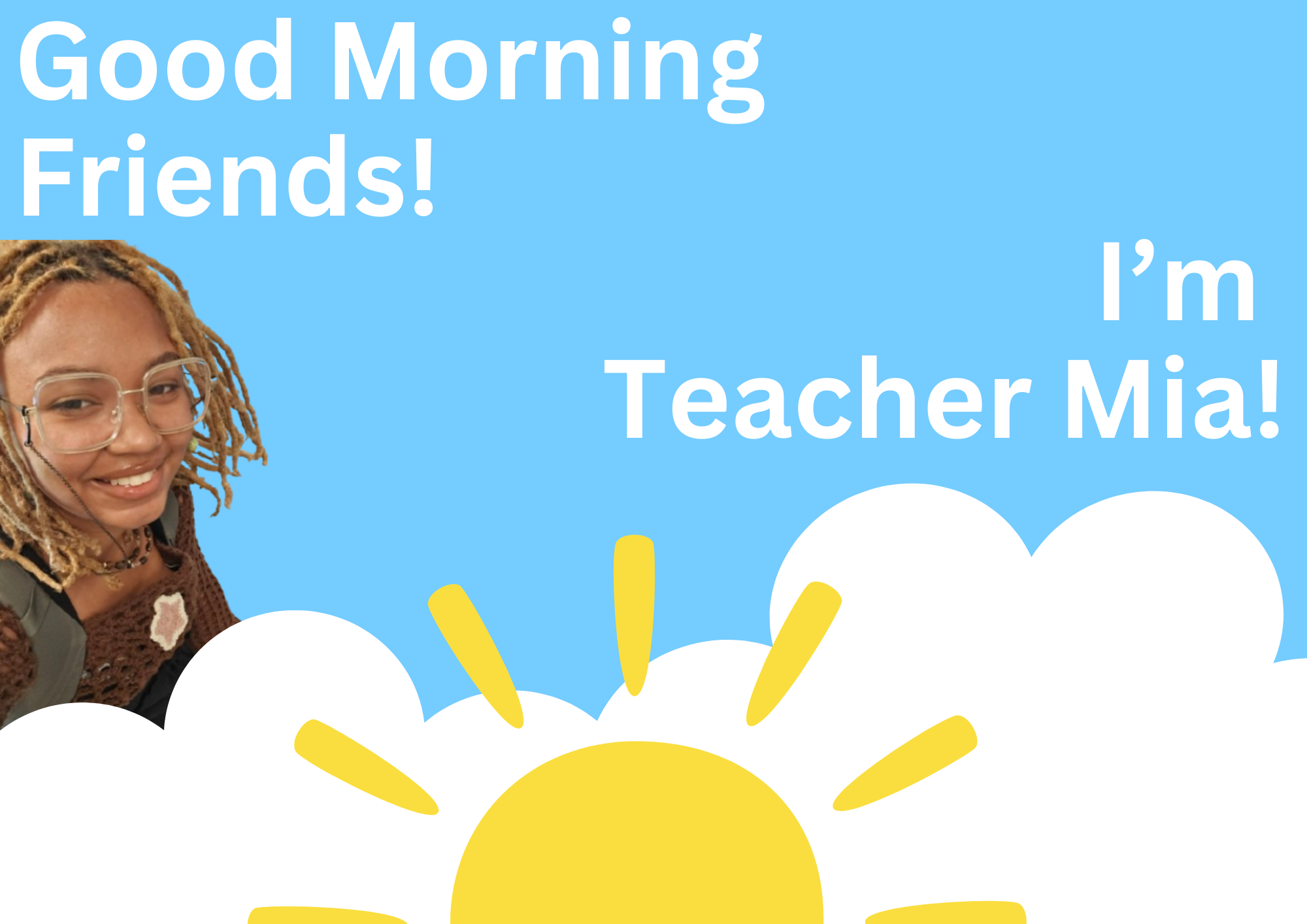
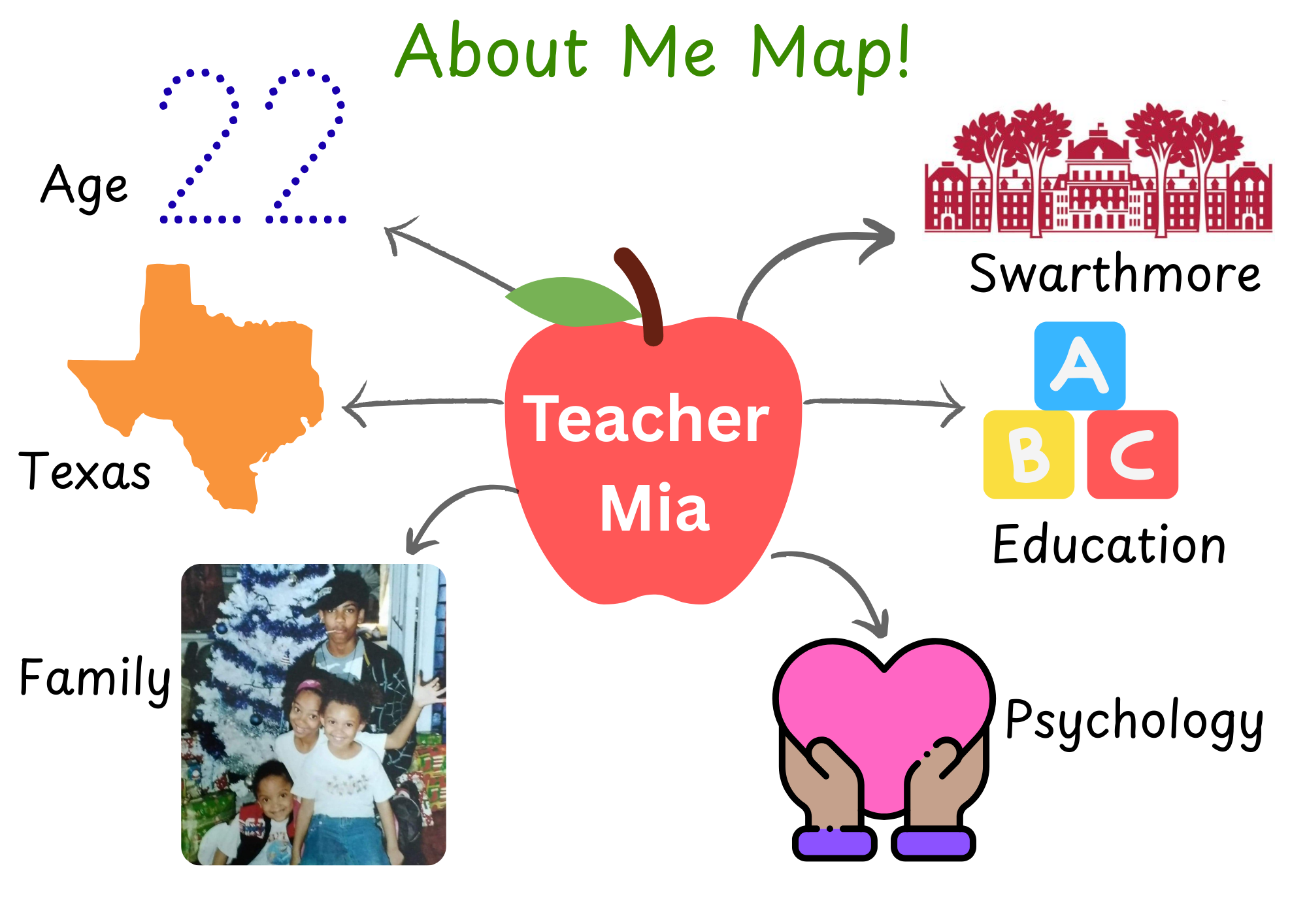
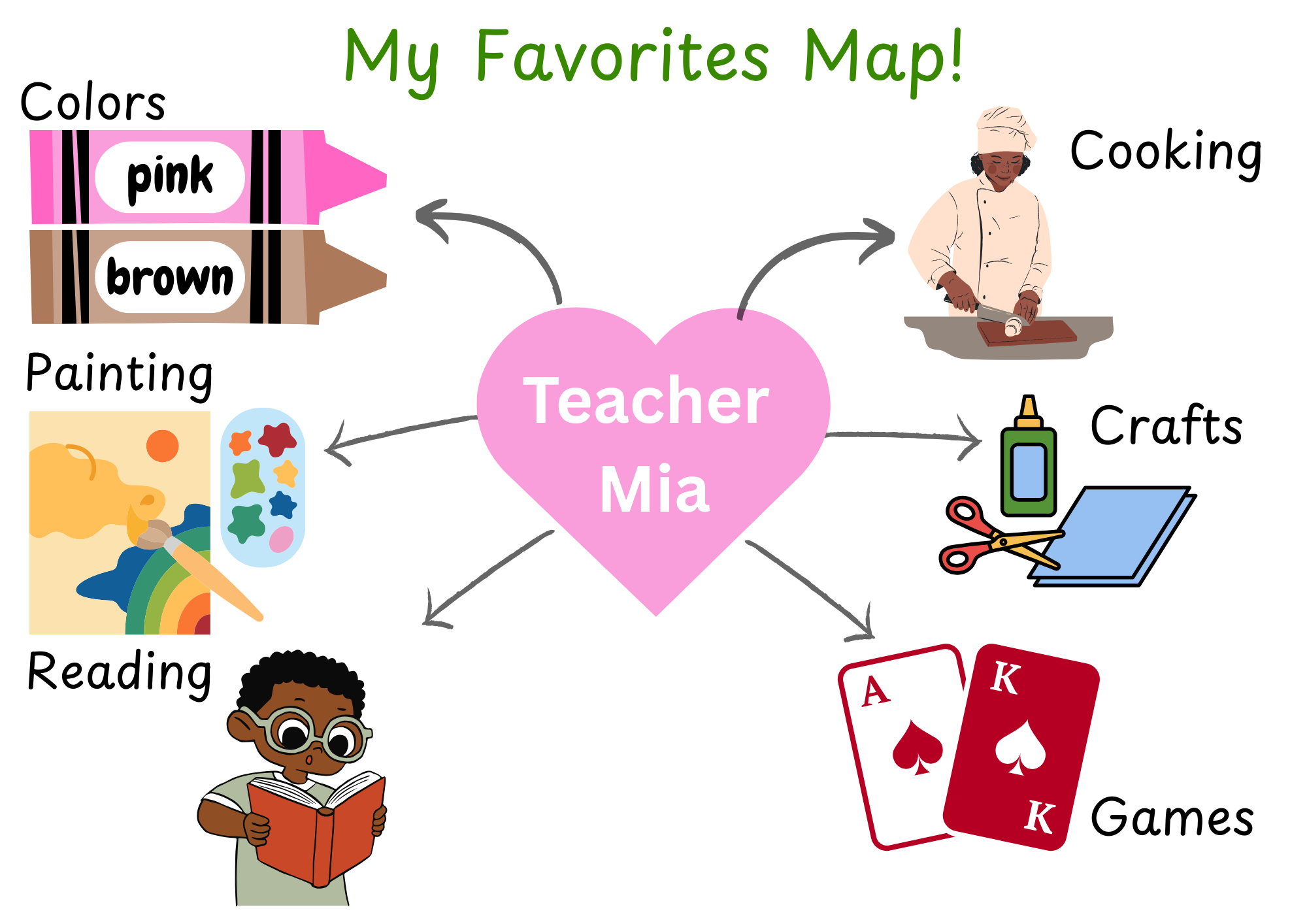
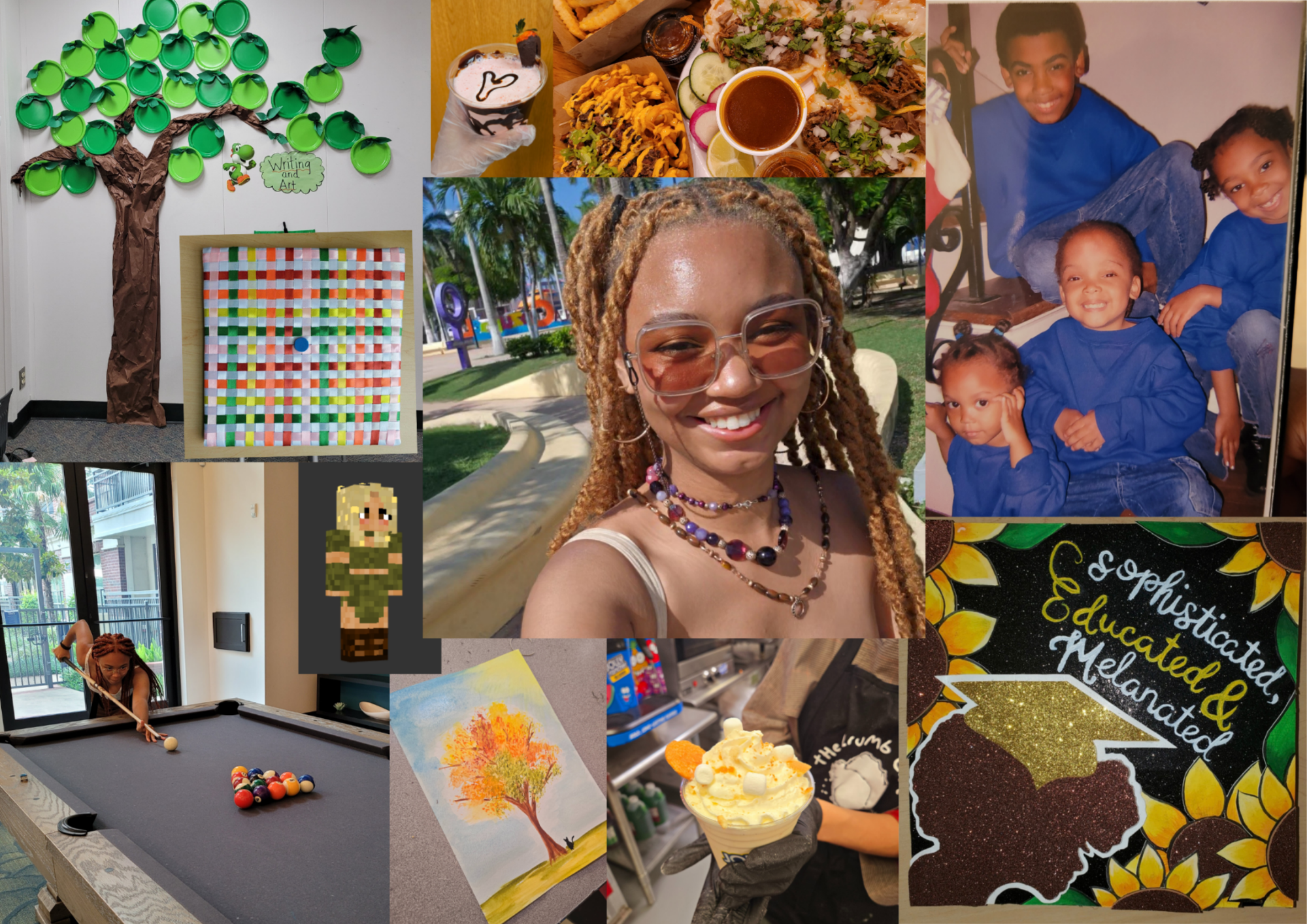
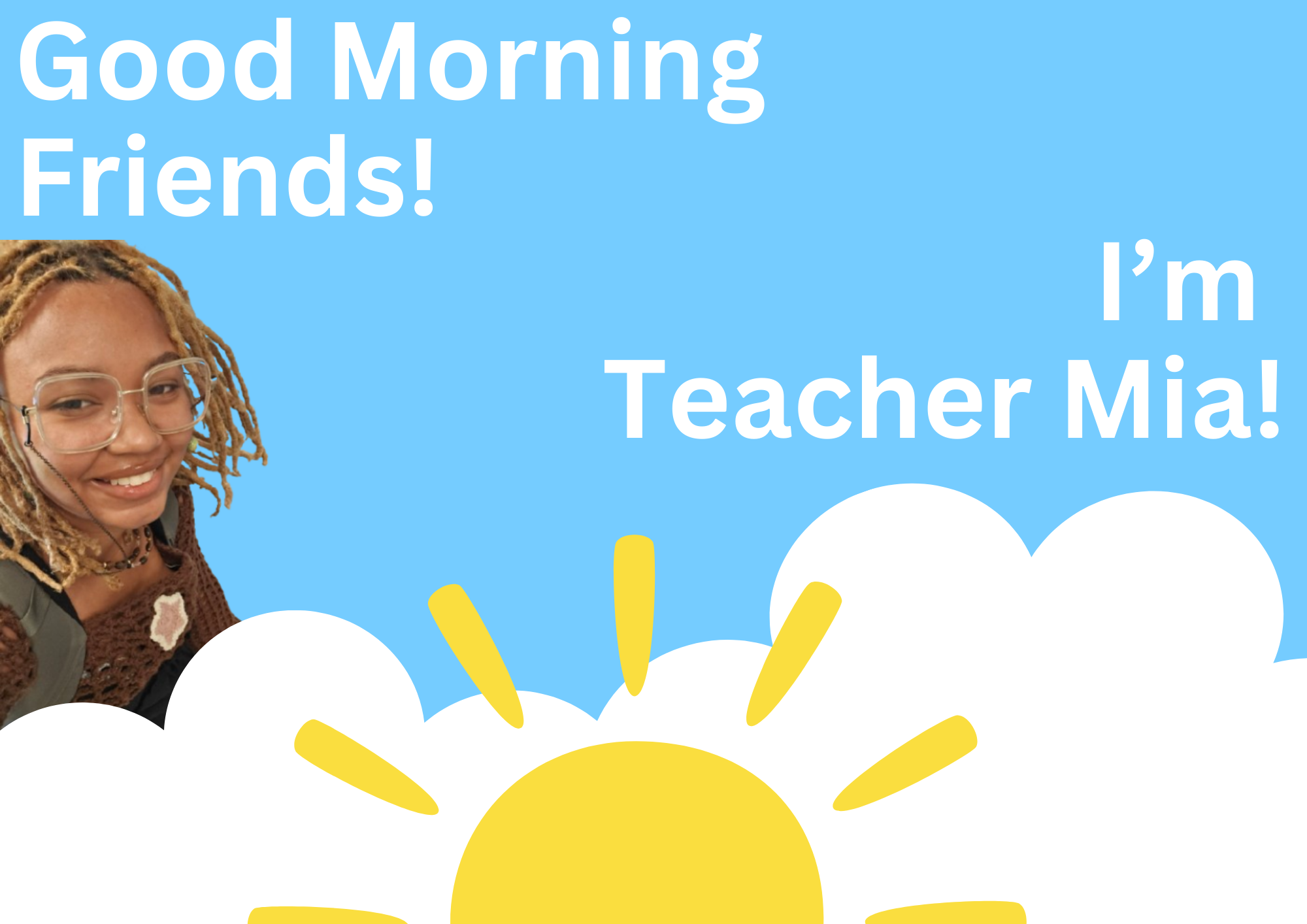
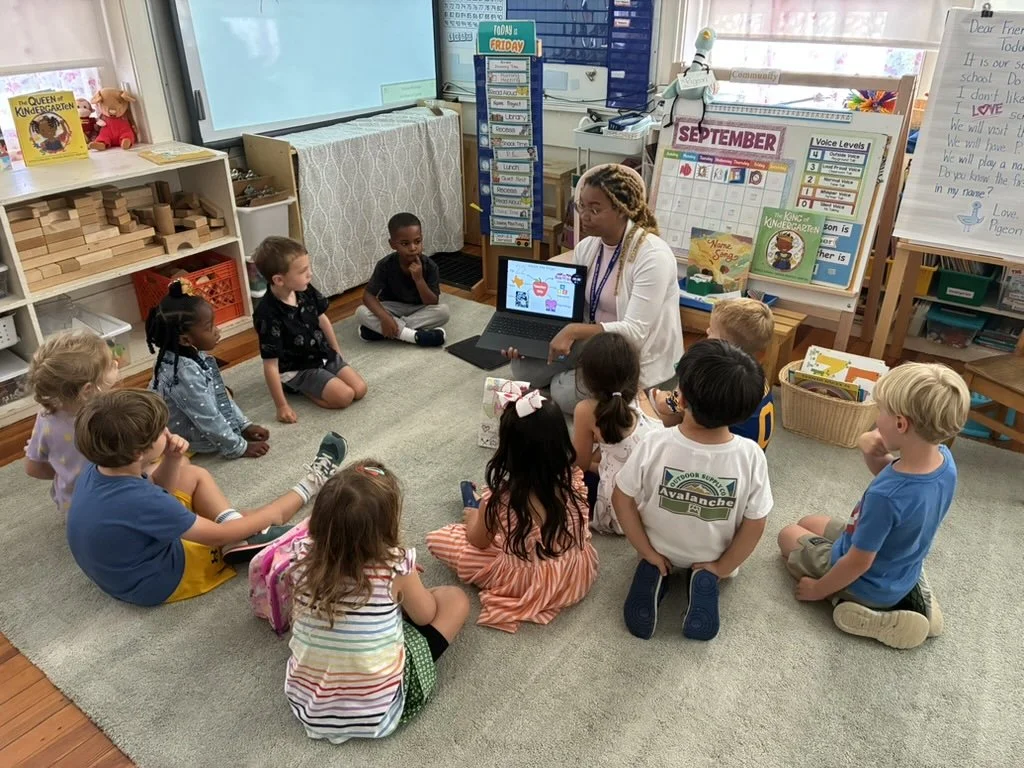
To prepare for my first day Student Teaching, I created a simple “All About Me” slideshow! It has more images than words, and included a lot of my favorite things rather that adjectives to describe myself. Instead of just saying I study Psychology, for example, I framed it as, “one of my favorite activities at my school is to study the brain and to study emotions. This is called Psychology. We learn about our thoughts and feelings to understand and help people!” It was fun seeing the kinds of questions and comments students shared about me and my photos, and helped me get to know the personalities and backgrounds of my students a bit more. I heard things like, “I know Swarthmore! My family works there.” “I realllly love the color pink too, and rainbow!” “I have a sister too!” “Why do you have two favorite colors?” This is also where I first learned some of the classroom language/body signals for saying “Me too” or “I was thinking the same thing”.
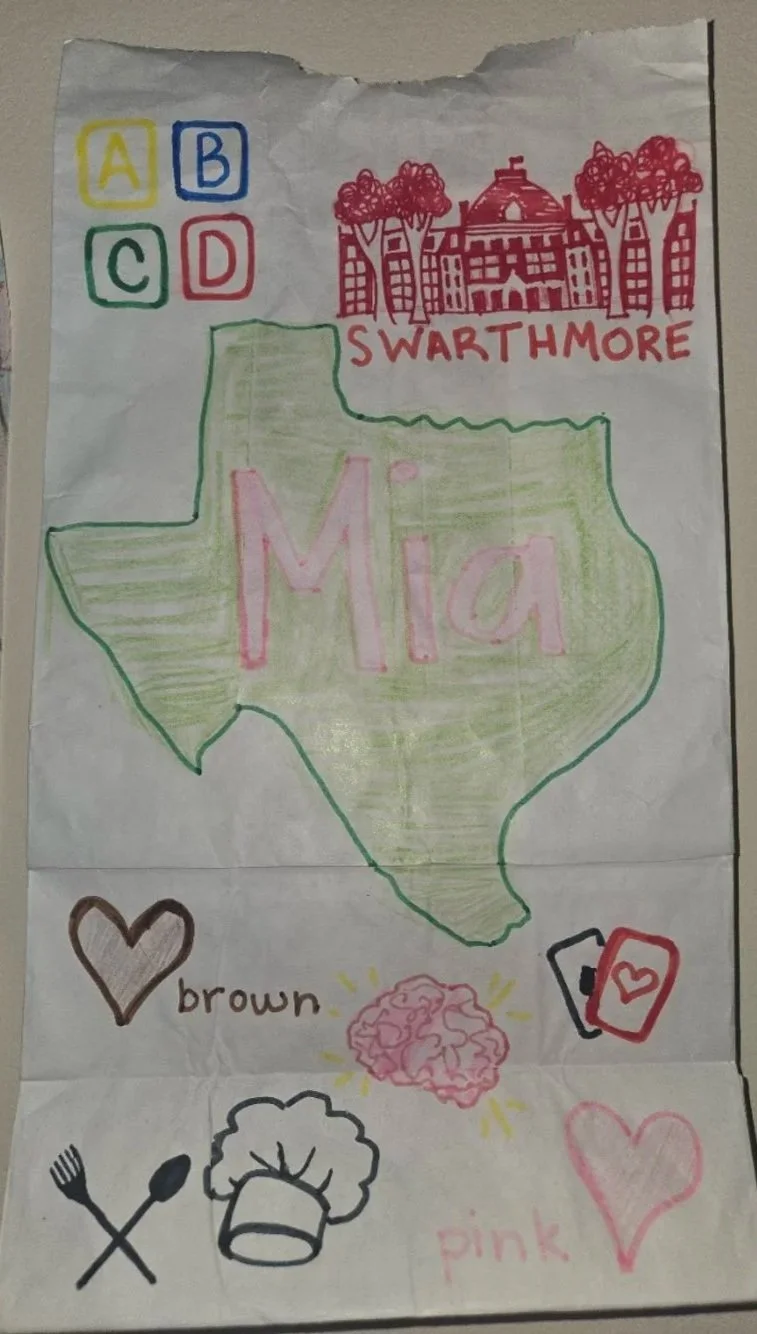
Teacher Kristin, my cooperating teacher, has this lovely “All About Me!” bag activity that I shared along with my slideshow. It was a chance for students to share items from home to help us learn about them and their interests. The kids were really excited by this activity, and loved that Pigeon (from Mo Willems—which I quickly learned was a favorite of theirs) would also be sharing! I think it was a great way for the students to sit in the center and share about themselves, interact with the class and find peers with similar interests, but also a good way as a teacher to gauge what excited the students. Someone had a toy from Bluey, and when I hummed the theme song during lunch the next day, they were so excited to know that I watch Bluey as well! Thinking back to The First Six Weeks of School, these first few days are crucial to a safe and comfortable environment for the students, and relating and indulging in their interests is a great way to promote belonging. This was also a great way to introduce the structure and idea of “homework” to the Kindergarten class. They had to learn, in order to participate, they had to go home and complete a task to bring back to the classroom.
Quakerism and the 5 Pursuits
It all begins with an idea.
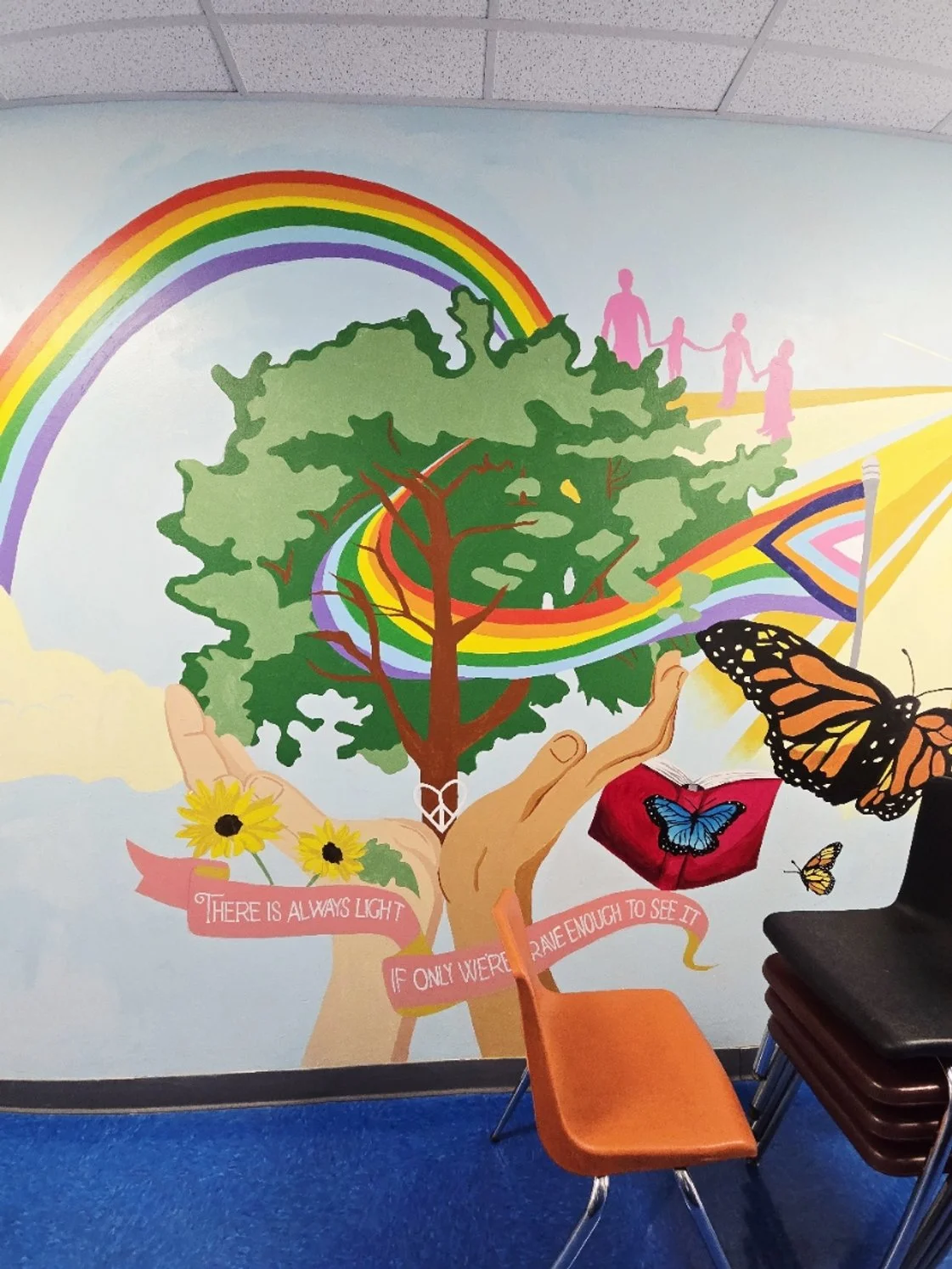
During Snack time, the kindergarteners often ask to watch Hootie’s House, a one-episode puppet show, made by a Quaker School Drama teacher in New York. It’s Hootie’s first day of Kindergarten, and Hootie is learning the Quaker testimonies (SPICES) which are the values Quakers live by. As the video references joy, kindness, and justice-oriented learning and living, I connected the SPICES to Gholdy Muhammad’s Five Pursuits.
* Simplicity Peace Integrity Community Equality Stewardship
* Identity Skills Intellect Criticality Joy
* Simplicity Peace Integrity Community Equality Stewardship * Identity Skills Intellect Criticality Joy
In working at a Quaker school, I’ve come to hold the testimonies (Simplicity, Peace, Integrity, Community, Equality, and Stewardship) dear to me, because I think being mindful of the testimonies as I plan lessons and approach conversations with students has helped slowed me into a more intentional and progressive educator, alongside Gholdy Muhammad’s Five Pursuits (Identity, Skills, Intellect, Criticality, and Joy). Quakerism and Gholdy Muhammad’s Five Pursuitsare rooted in a shared belief that education is fundamentally about nurturing the whole human being. At the heart of Quakerism is the principle that every person carries an Inner Light, a unique dignity and brilliance that deserves recognition and cultivation. This deeply aligns with Muhammad’s focus on Identity, as both frameworks insist that children must be seen, valued, and understood for who they truly are. Quaker pedagogy calls teachers to notice “that of God” in every learner, which mirrors Muhammad’s charge to help students explore who they are culturally, intellectually, and emotionally. The emphasis on silent reflection and communal listening in Quaker practice also resonates with the Skills and Intellect pursuits: students learn how to listen deeply, think expansively, and engage thoughtfully with ideas and with one another. In Quaker schools, inquiry is valued, as truth is understood as something discovered through experience and shared reflection. This also parallels Muhammad’s goal of developing students’ intellectual and critical capacities through rich, meaningful learning.
The Quaker testimonies of Community, Equality, Peace, Integrity, and Stewardship align closely with Muhammad’s pursuit of Criticality as well, which asks students to question power structures, understand justice, and act in ways that honor the humanity of themselves and others. Quaker pedagogy encourages learners to consider not only what is true, but what is right—inviting them to take responsibility for the well-being of their community and the world. This reflective moral engagement is foundational to students becoming critical, justice-oriented thinkers. Most beautifully, both Quakerism and the Five Pursuits place profound value on Joy—not as superficial happiness, but as a spiritual, intellectual, and communal flourishing. In Quaker education, joy emerges from belonging, purpose, simplicity, and shared humanity. In Muhammad’s framework, joy is a form of resistance and a necessary condition for deep learning. Together, these traditions affirm that classrooms should be places where children feel loved, where their identities are honored, where their minds are challenged, and where they experience the joy of being in community. Through this lens, teaching becomes an act of care, liberation, and collective possibility.
Parent Conference | Narrative and Reflection
Narrative
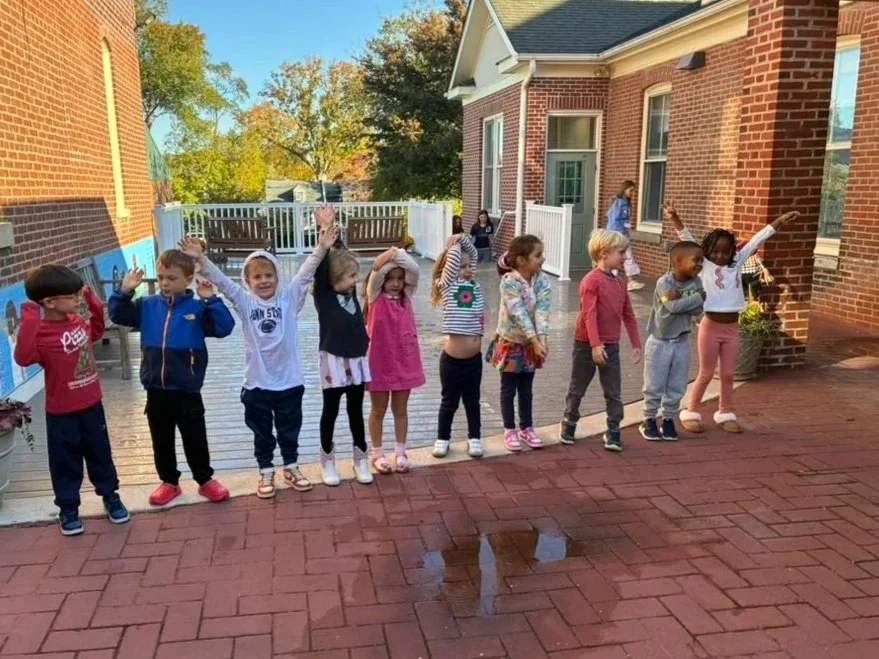
Henry is a bright and caring member of our classroom community. He often greets the day with a smile and enjoys sharing stories, especially about his baby brother. During Discovery Time, he loves building with pegboard shapes and collaborating with friends, showing creativity, kindness, and cooperation. The book nook has become a comforting space for Henry to self-regulate and start the day at his own pace.
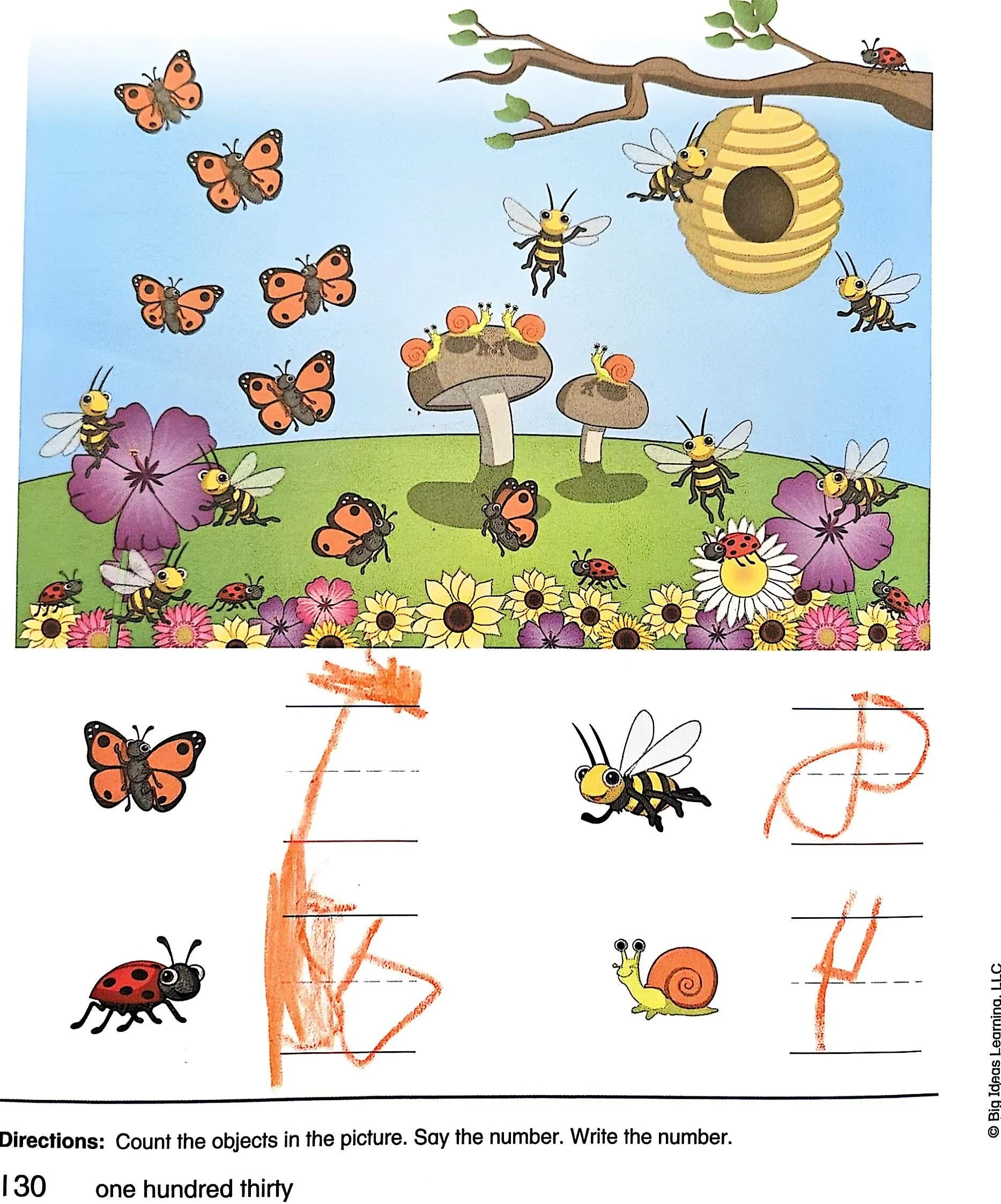
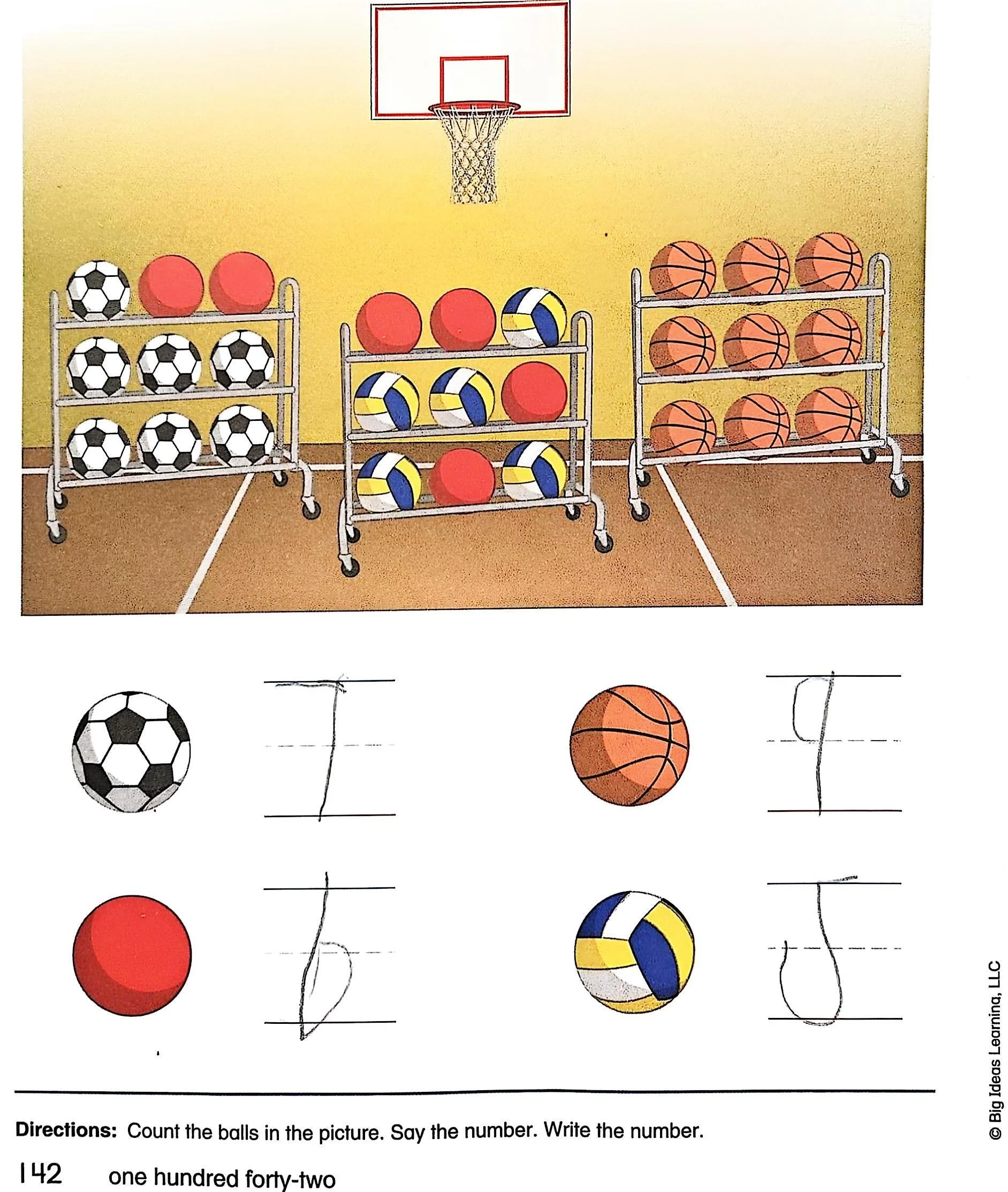
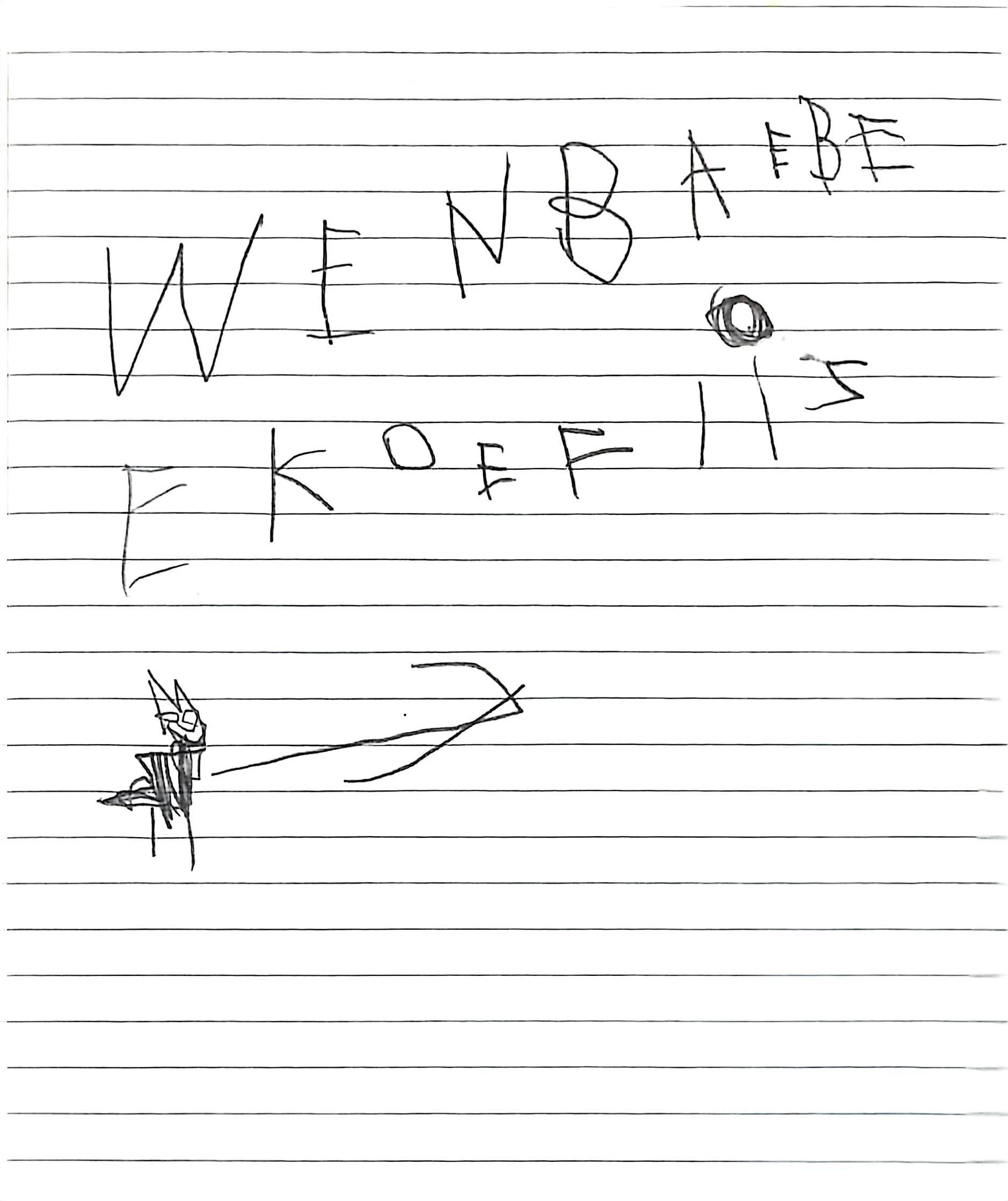
In literacy, Henry can identify most uppercase letters and many lowercase letters, and he is continuing to connect letters with their sounds. He enjoys rhyming activities and is learning to clap syllables in words. In math, Henry counts accurately to ten, identifies numbers to ten and some teen numbers, and is strengthening his ability to write numerals, especially 1–5. He also identifies basic shapes and enjoys hands-on math activities.
Henry is learning to navigate structured work time, such as literacy and math lessons, and can sometimes become frustrated or resist tasks when he is unsure. We are supporting him with strategies like breaking tasks into smaller steps, offering choice, and giving specific praise. Henry is steadily building stamina, confidence, and independence, and he shows care for others by offering encouragement to classmates.
He continues to grow in fine motor skills, self-regulation, and focus, and enjoys celebrating his successes with stickers and reflections on his work. Henry’s curiosity, kindness, and enthusiasm brighten our classroom, and we look forward to seeing him continue to grow socially, emotionally, and academically throughout the year.
Reflection
For all of the parent conferences, I stayed close in conversation with Teacher Kristin and asked many questions, because she speaks very intentionally and positively, in a way that I am still learning and practicing. It’s not that I focus on negative language at all, I just know that when it comes to communicating with a parent, you have to be gentle but clear in your communication. Focus first on the positive reportings, as all students have them, and follow any reporting of concerns with a plan that’s been put in place to address it with the student. For example, with this student, we addressed his need for stamina building by having him completed less items of a worksheet, but walking through those parts with him more closely. And, shared in my attached article, I interviewed the student before working on his report!
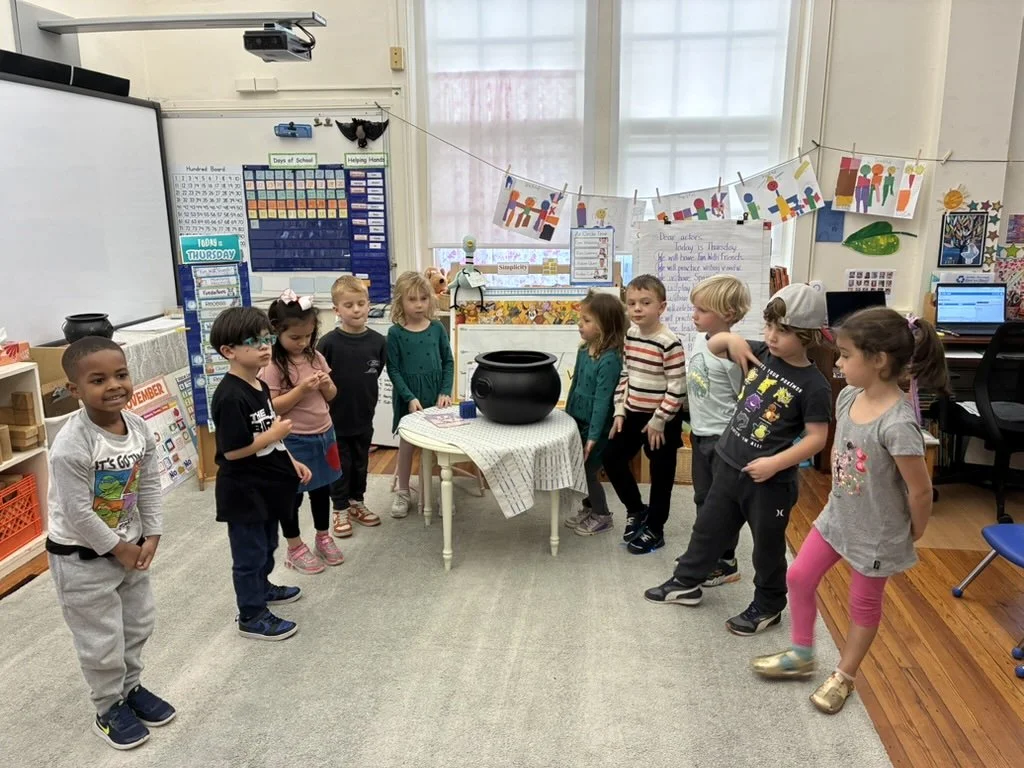
The Class Play
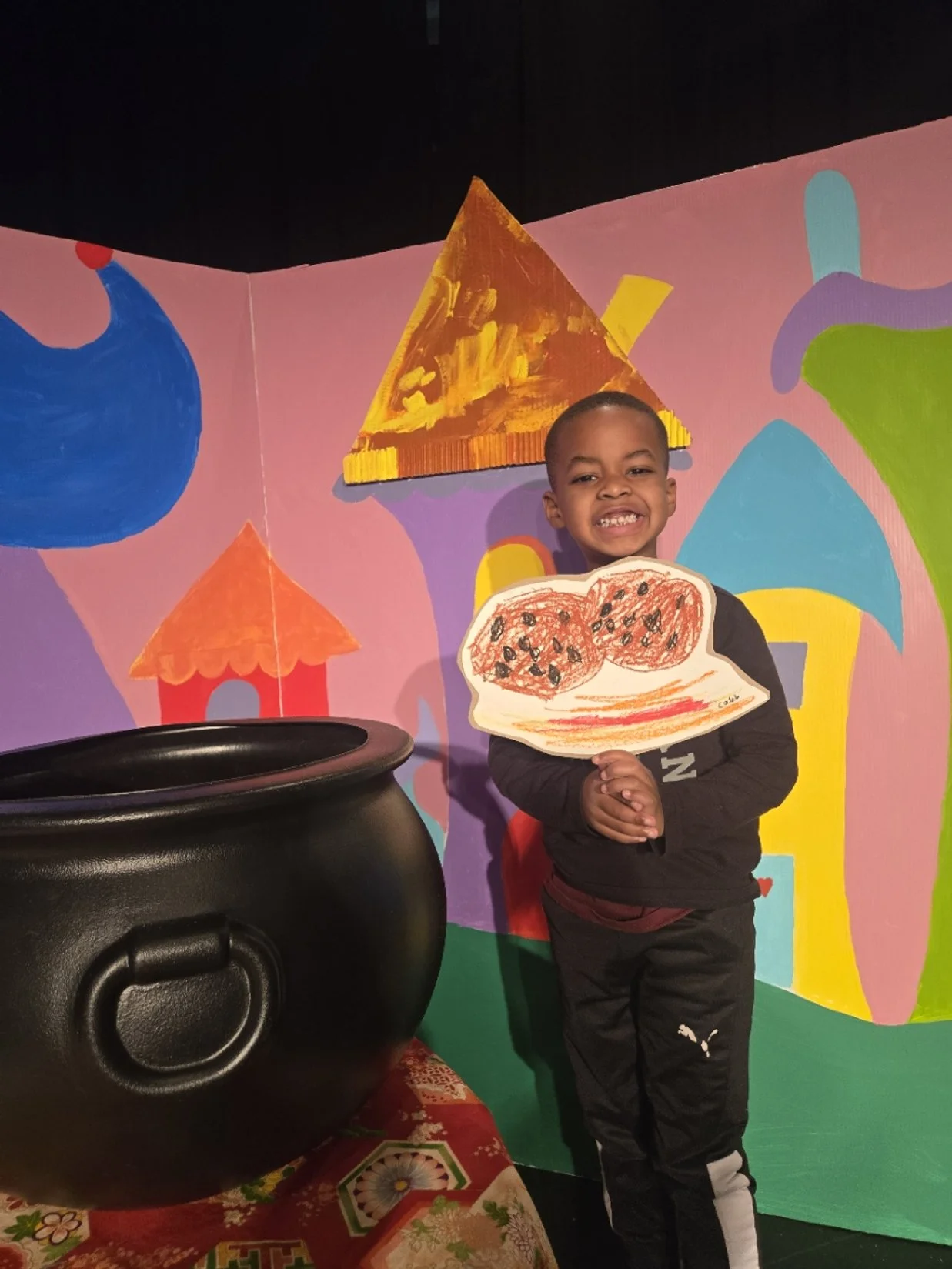
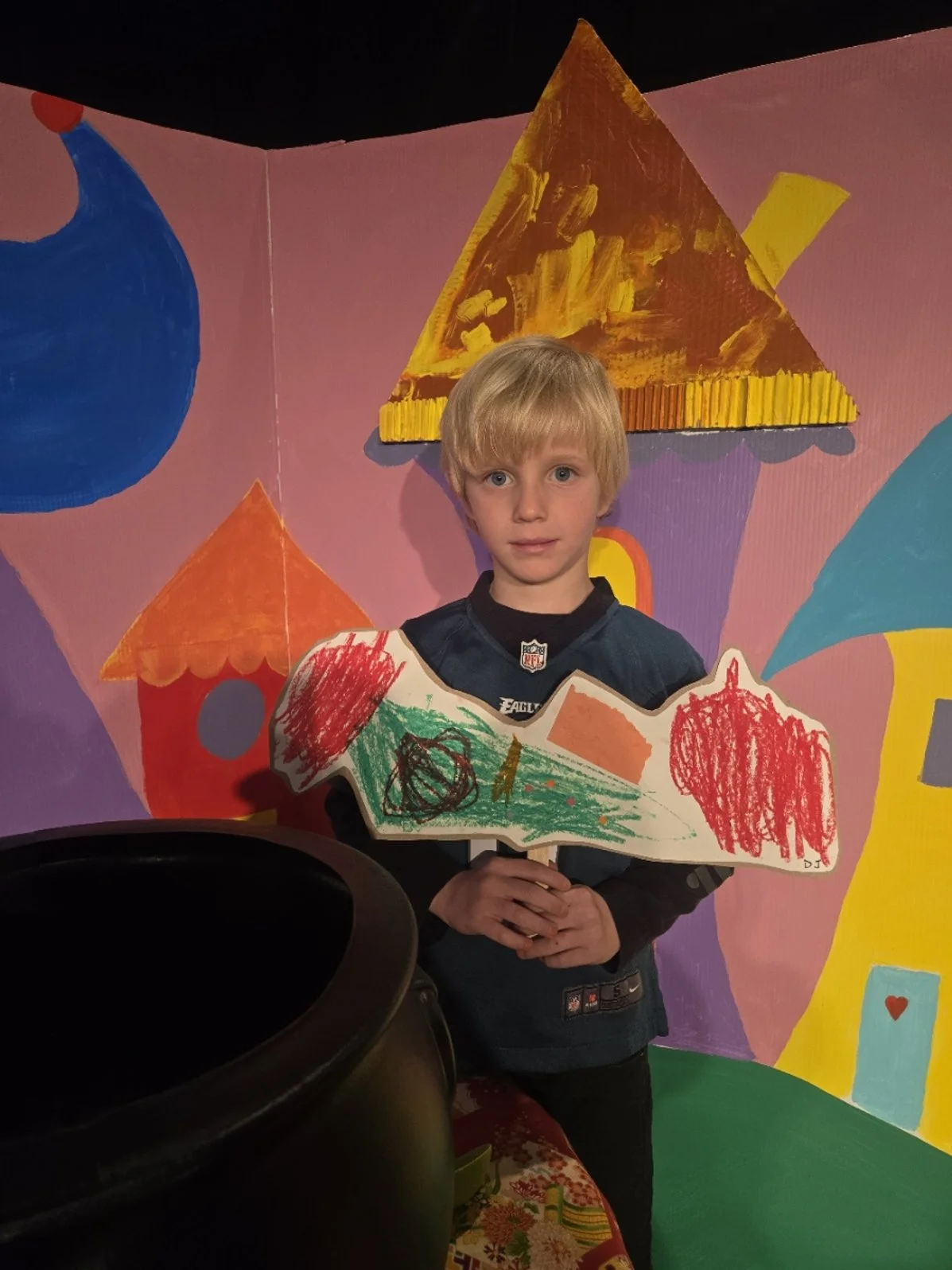
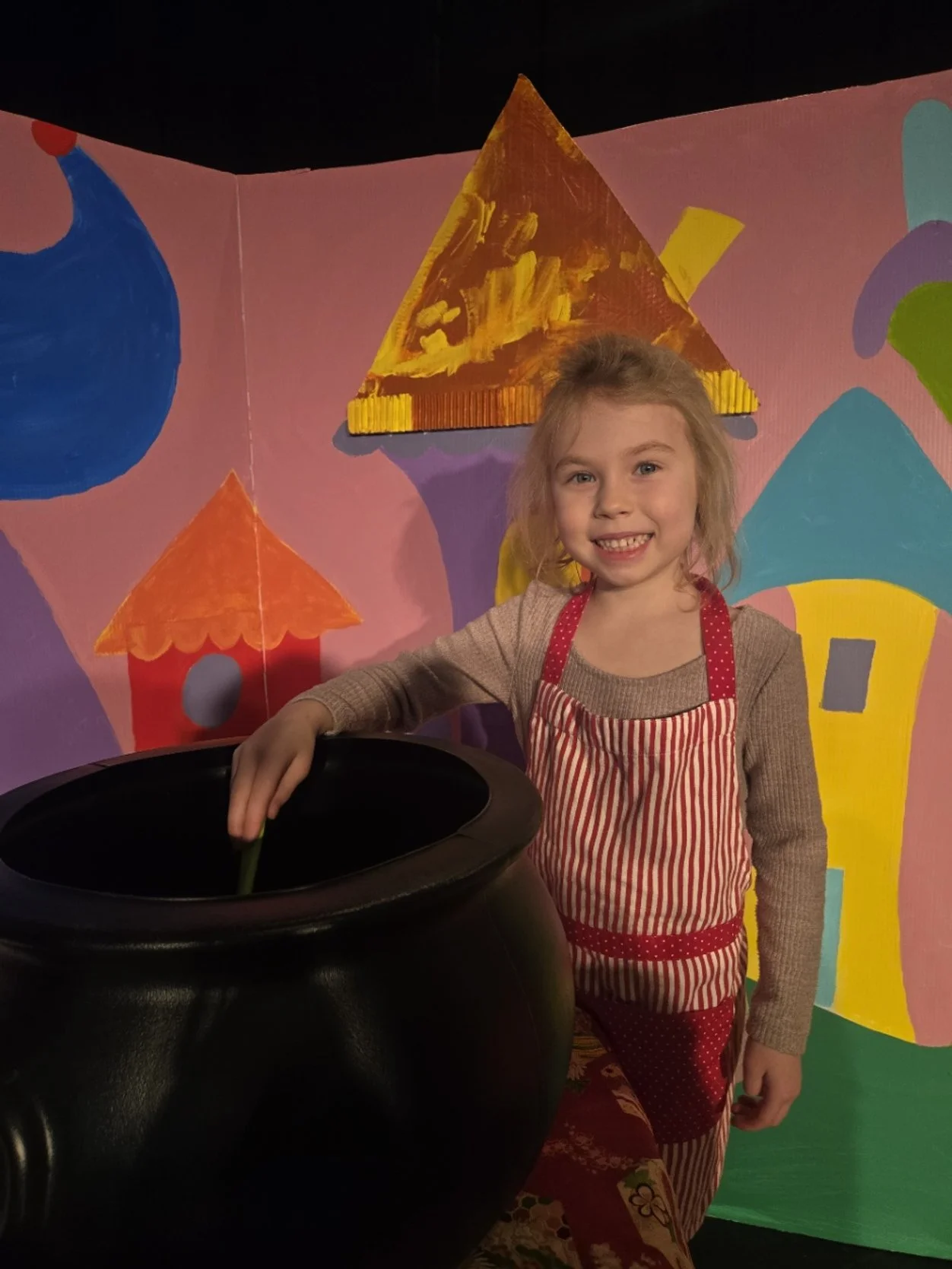
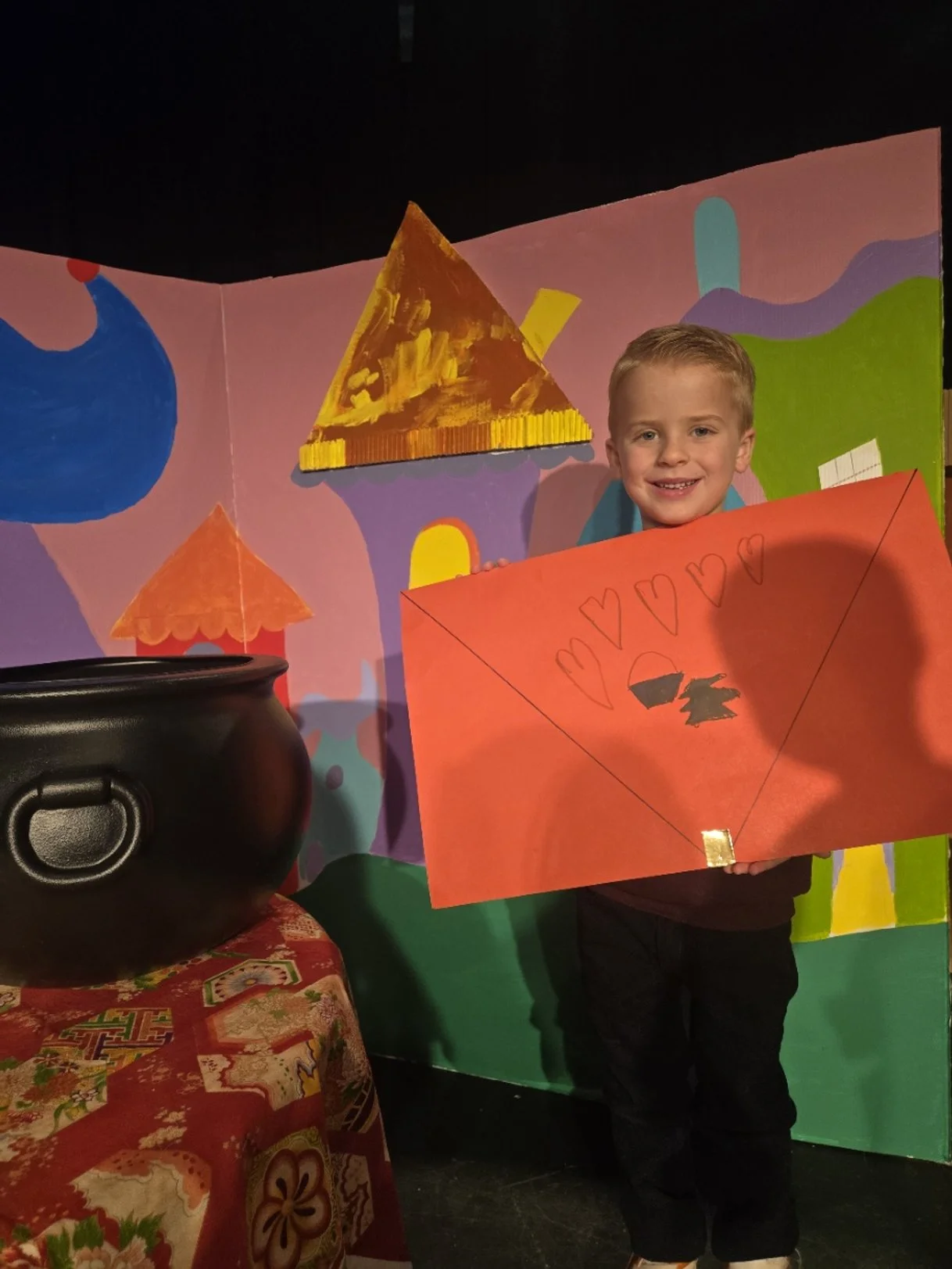
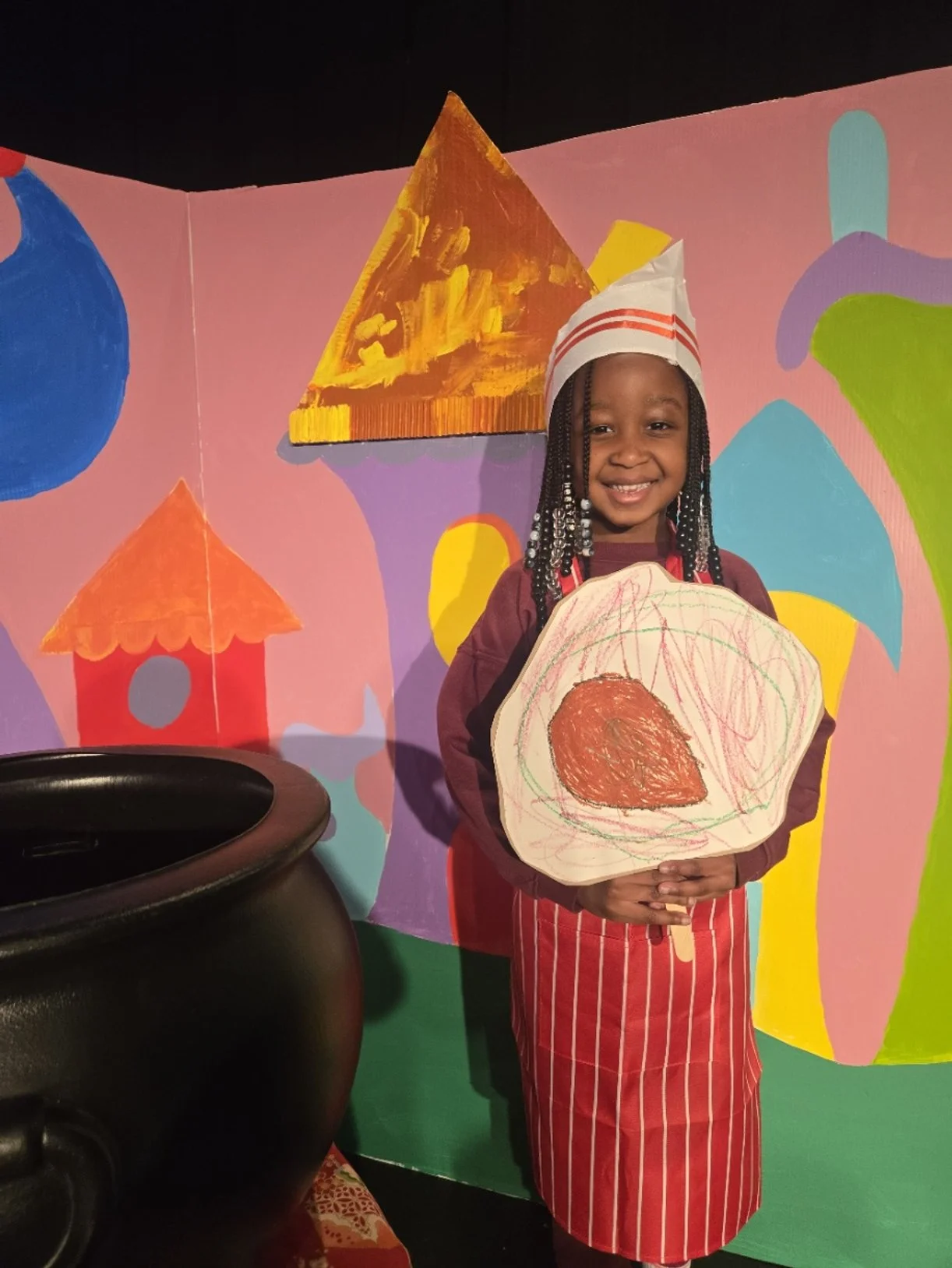
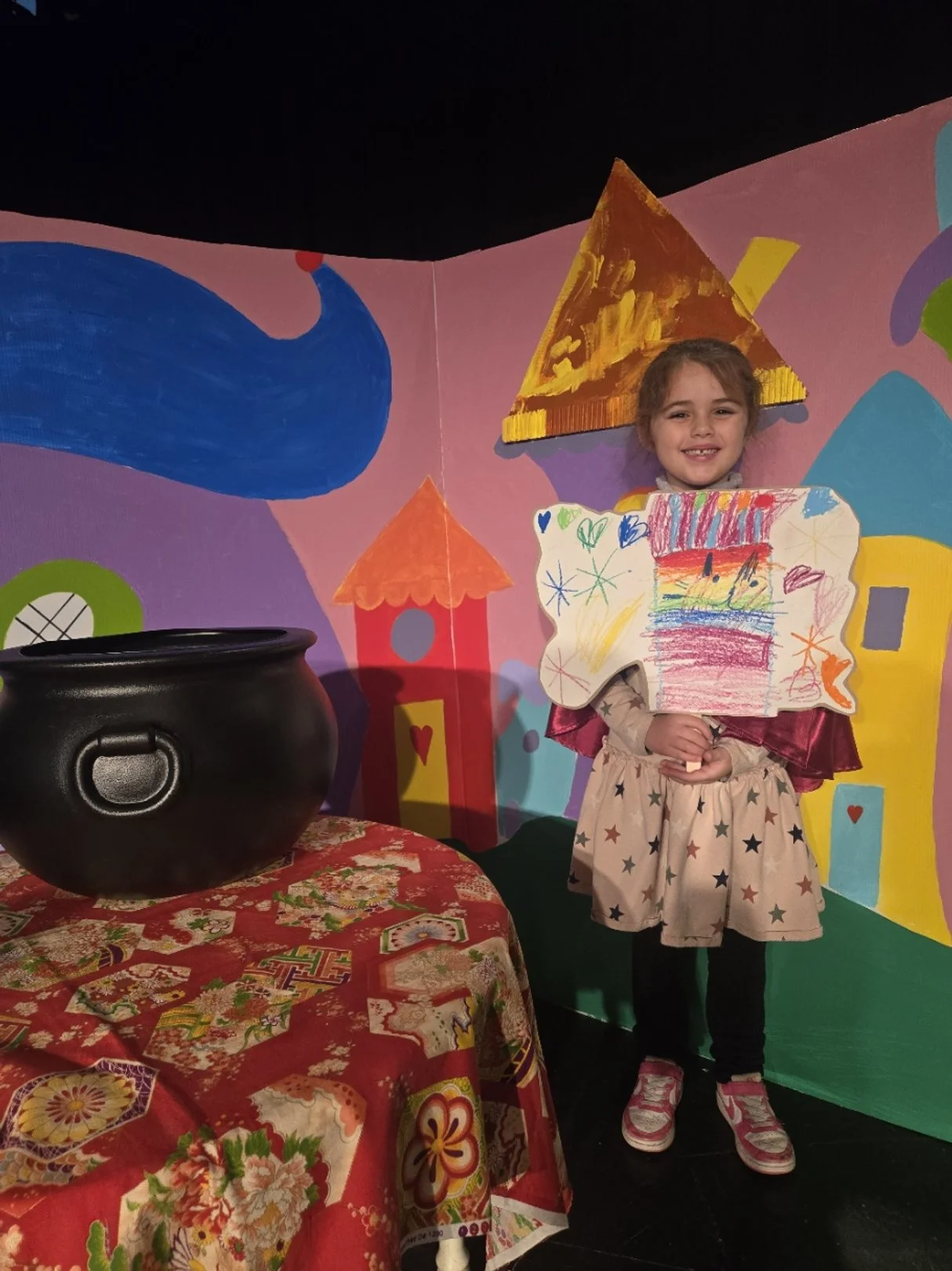
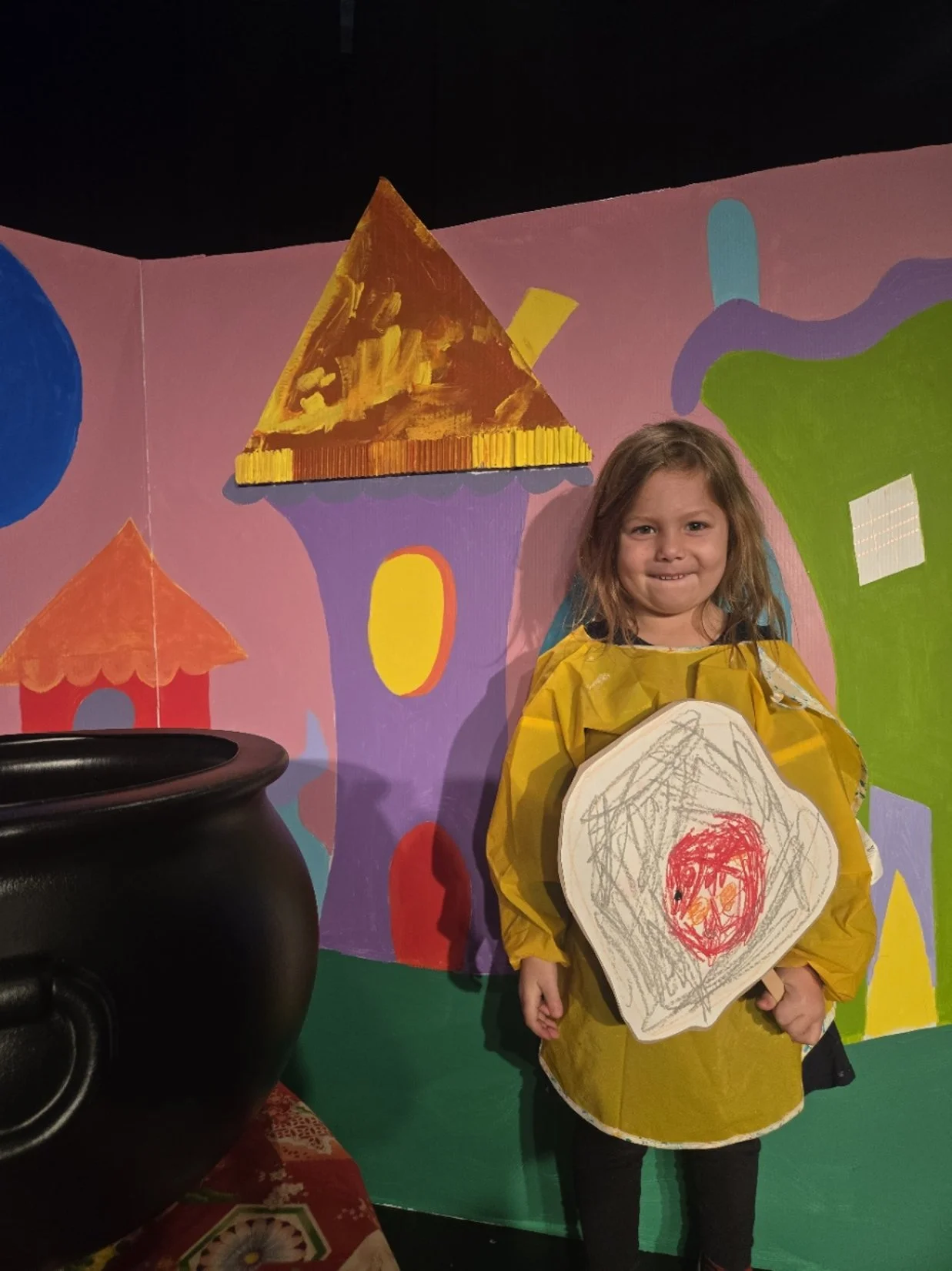
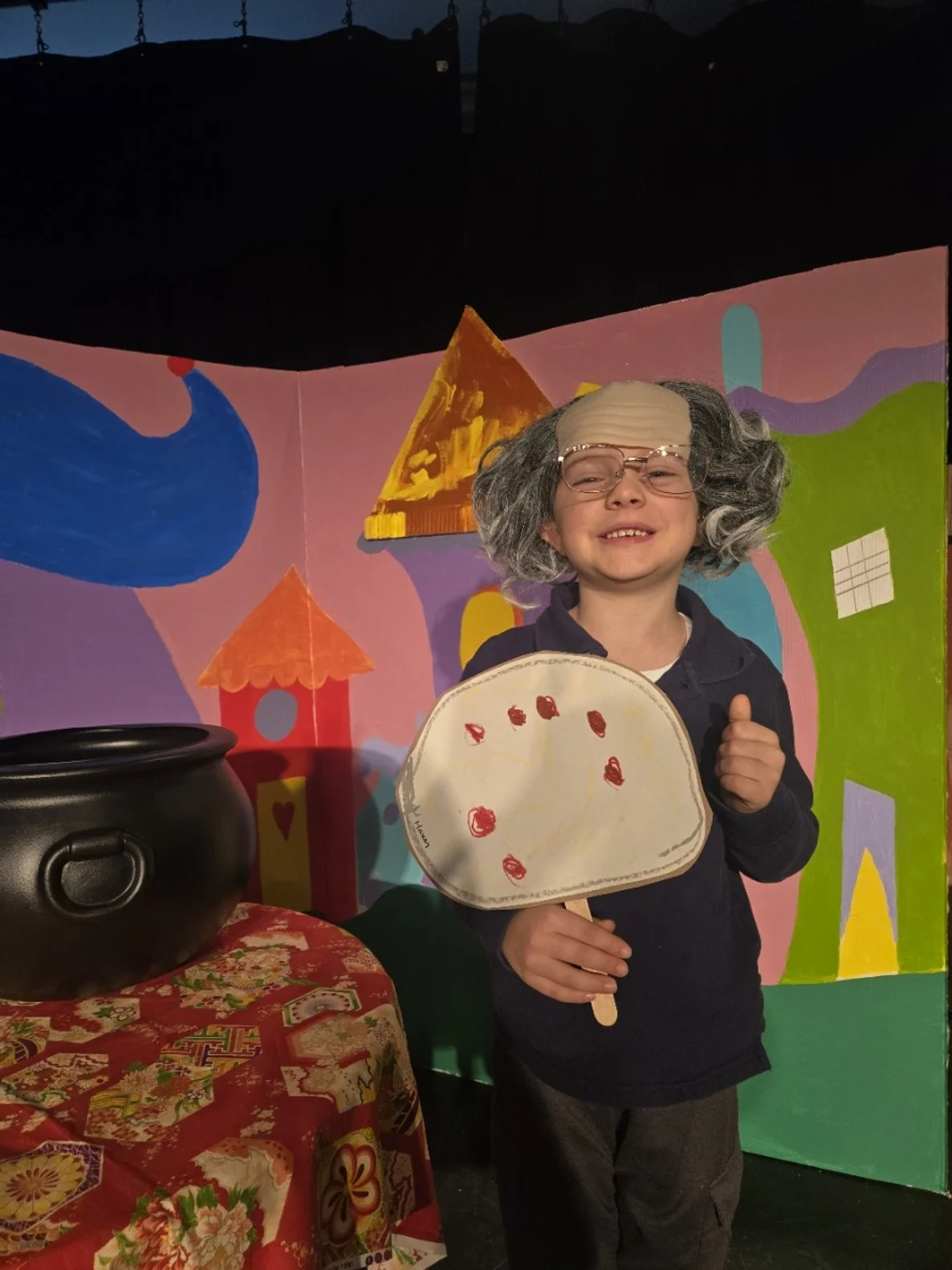
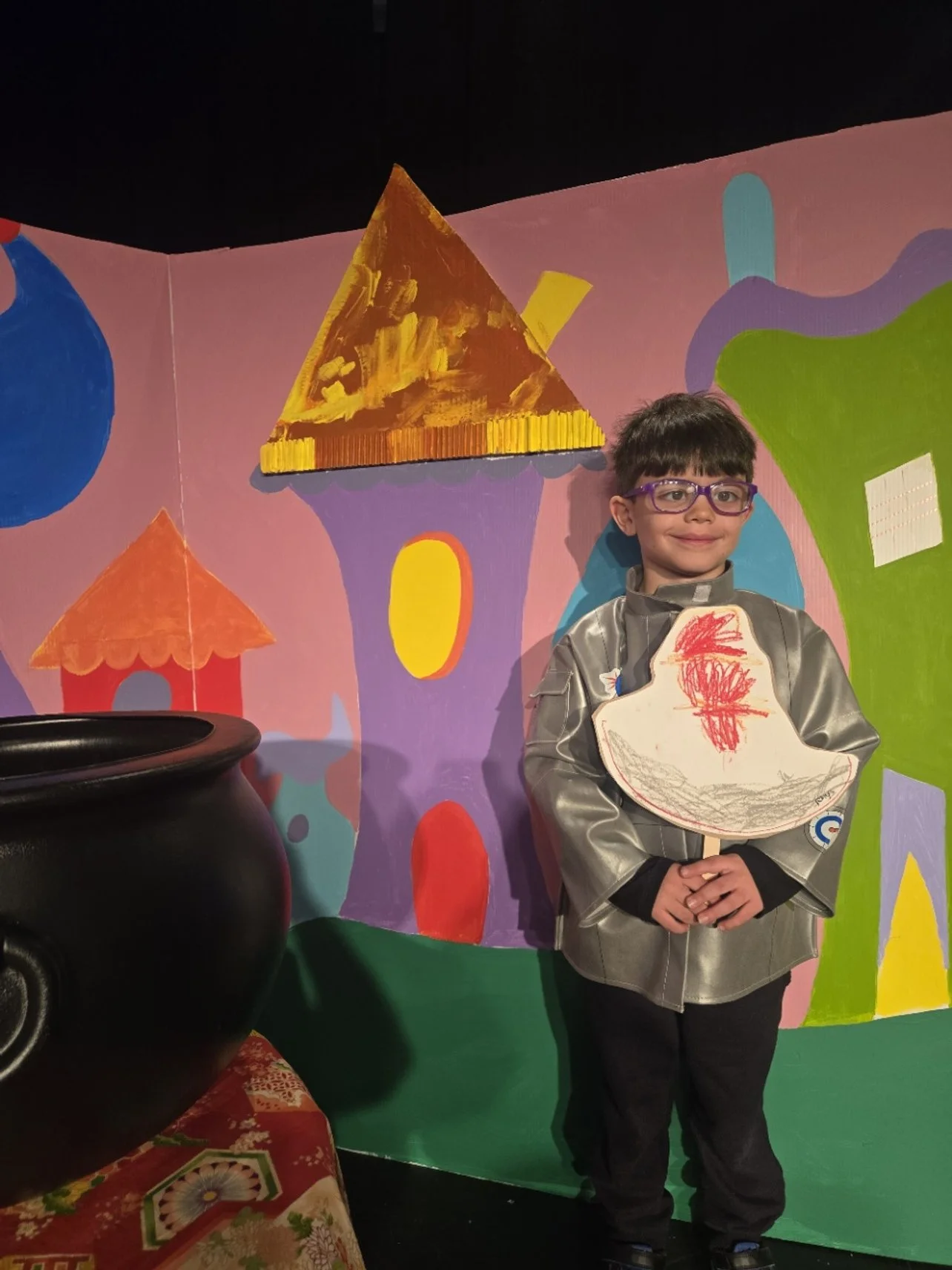
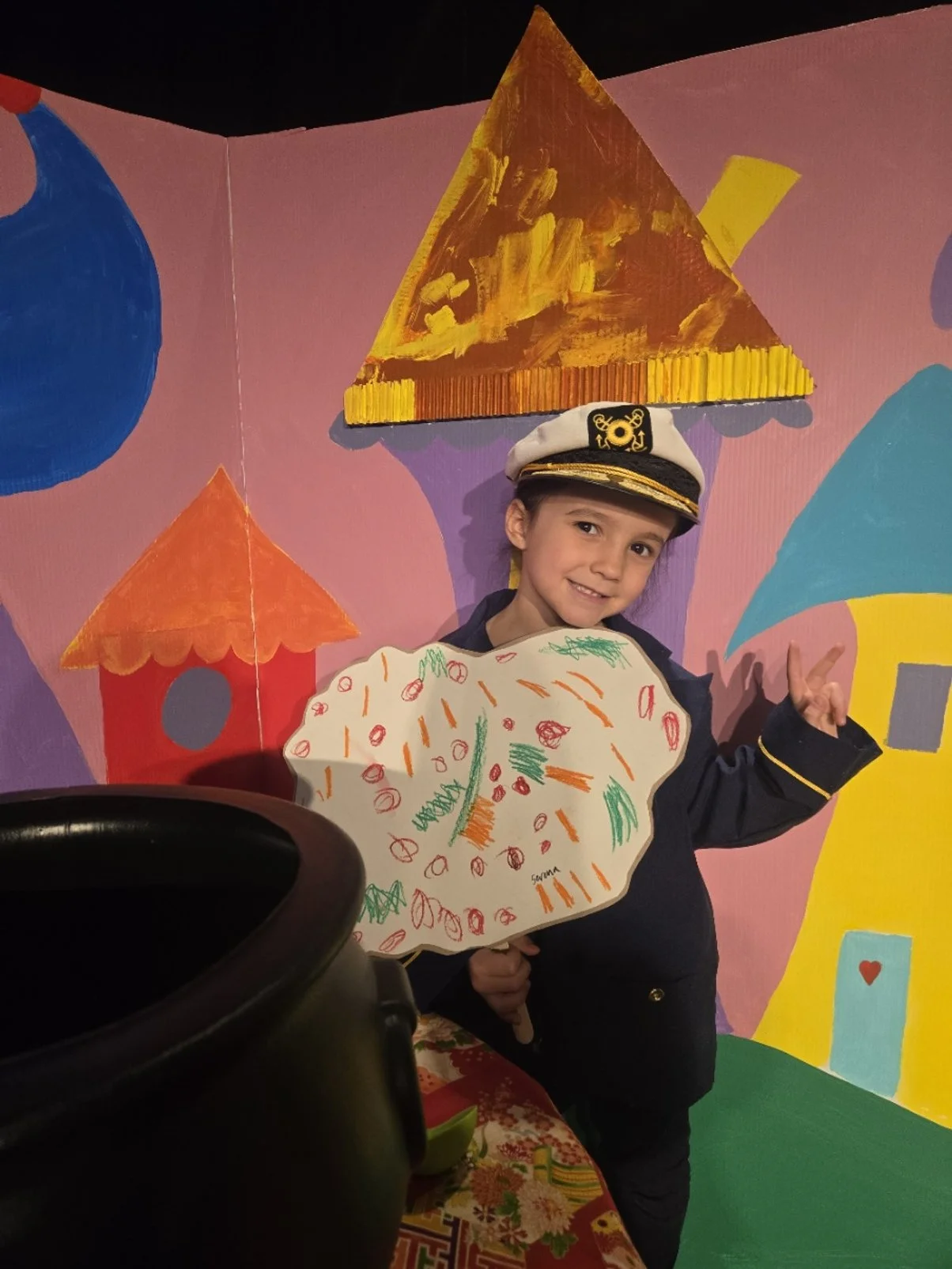
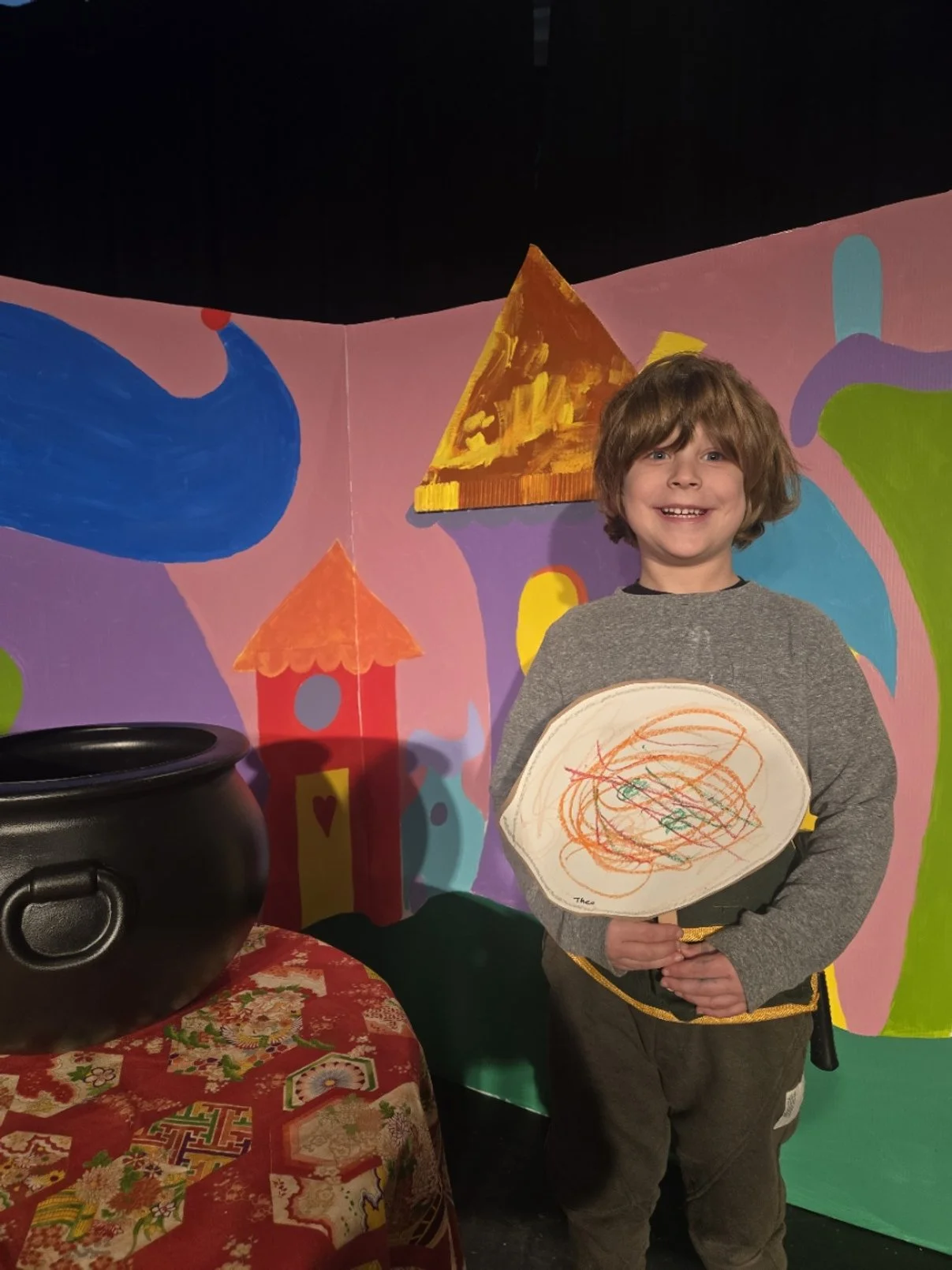
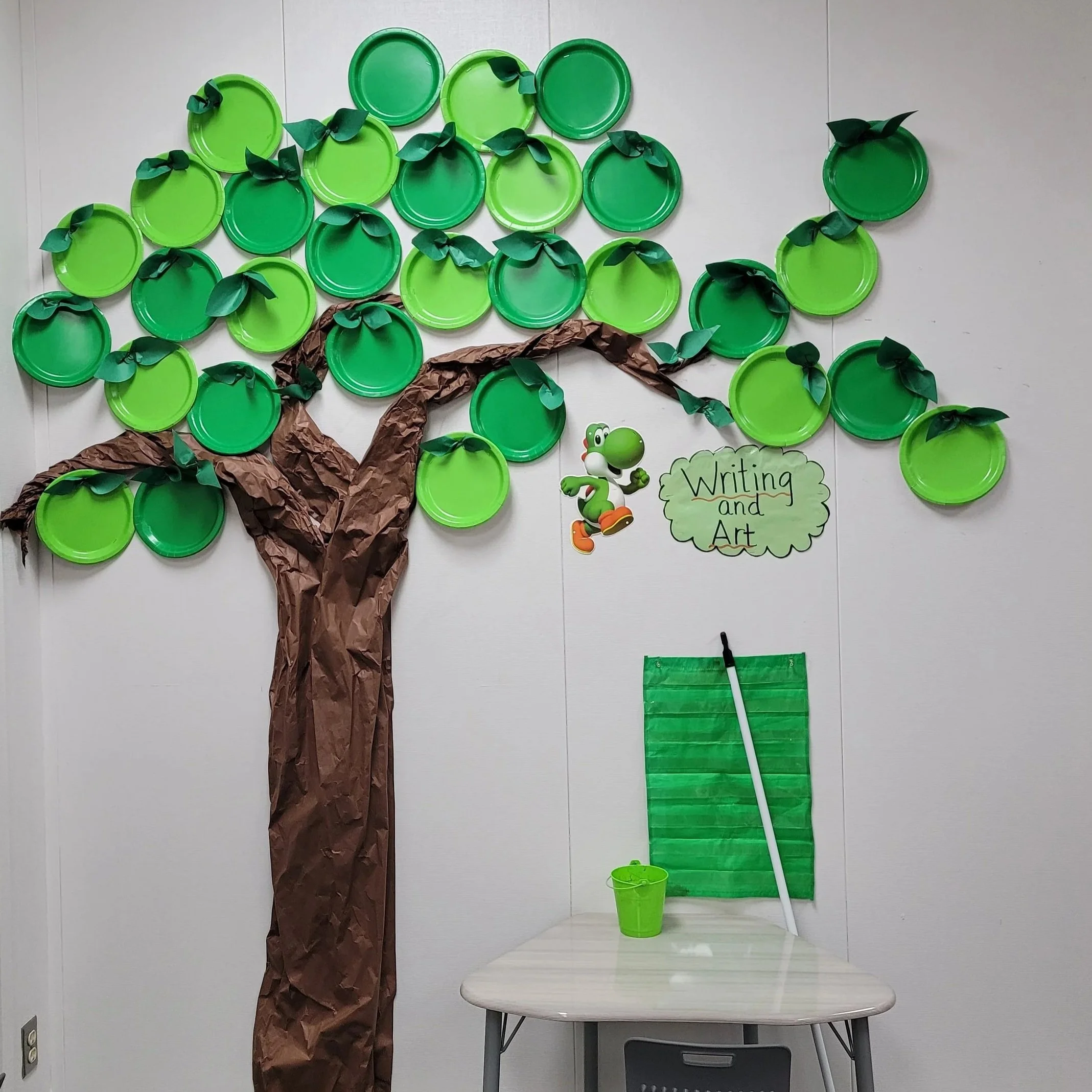
Friday was the big day of our show! It was such an amazing time!
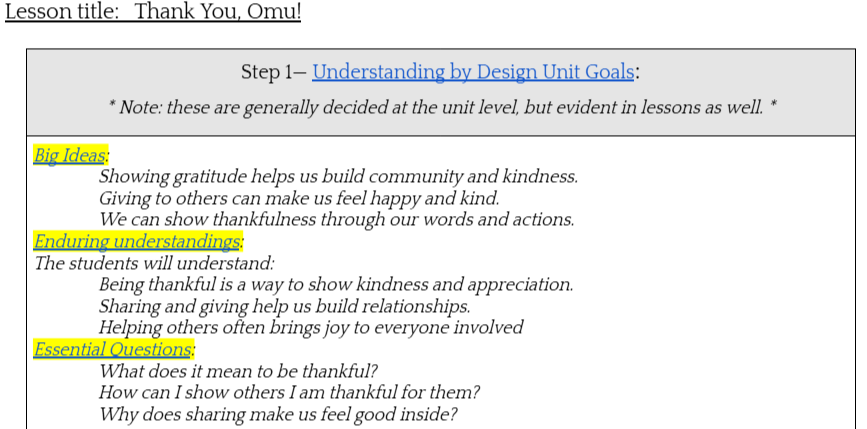
Thank You, Omu! by Oge Mora is a warm, beautifully illustrated picture book that celebrates generosity, community, and the joy of sharing. Told through vibrant collage art, the story follows Omu, an elderly woman who cooks a thick, delicious red stew that she plans to enjoy for dinner. As the stew simmers, its irresistible smell drifts out her window and through the neighborhood. One by one, community members come to her door—a little boy, a police officer, a hot dog vender, and many others—each drawn by the aroma. Every time someone knocks, Omu happily shares a portion of her stew out of kindness.
By evening, Omu discovers that she has given away all her stew—there’s none left for her own dinner. But soon, the same neighbors she fed return with their own dishes, creating a surprise potluck to thank her for her generosity. Together, they share a meal and have a good time together, reminding readers that community is built through acts of care and gratitude. The book ends with a powerful message: giving brings people together, and gratitude creates a circle of kindness.
The Kindergarten class learned Community, Thankfulness, Appreciation of Food and what it means to share leading up to this performance. In the end, we join the other Kindergarten class, which performed Stone Soup, and sing a song about sharing and gratitude!
Resume and Mock Interview Reflection
It all begins with an idea.
The ever-evolving resume that I began in 2019, shifted into something very fresh and very real for me when I looked at it through the lens of Student Teaching, my mock interviews and the future I want as an educator. This resume, shared below, began in a similar style, all those years back, simply to document the fun journey and experiences I had in high school. It included clubs I started, like the “Unhappy Unanimous” Club, a support group for teens struggling with their mental health, and competitions I won, like NASA’s Space Settlement Design Competition. Throughout the years, though, as I figured out the experiences to highlight, add to the list, and describe in bullet points, I also had to figure out which ones to remove and how these decisions reflected my growth as a person. In high school, I was really interested in Psychology, in people, but I put most of my energy into STEM courses and projects, for the sake of my family’s interests in my future.
By the time I got to college, I put my foot down and explored courses that called to my humanity: asking and answering questions about people. How do children talk to each other? How does our socialization frame us as individuals? Why is reimagining our world through the lens of Afro-futurism an importance exercise for social justice and reform? And as I studied the social sciences more, my experiences, my work, and my research continued to reflect that.
As I made edits to this resume, not only did I see who I’m becoming on the page before me, but also the ebb and flow of my values, shifting from interest to interest but centered in my passion for human care and connection. And this is what grounded me in my preparation for mock interviews. I have always been a confident speaker, and when it comes to interviews, I find that how I speak is just as important as what I share.
I made sure to be myself, extroverted and personable, and kept my responses rooted in not just my experiences, but particularly my values and how those experiences shaped that.
One question, for example, was related to my summer research with the Science of Kids program, serving students from Chester, PA, and where I find joy in the research process. And I shared, outside of the obvious joy of working with children, about how my own upbringing made the work feel very full-circle. Having the privilege to research how we can make science education more accessible, becomes much bigger than myself or the work that we do in the lab, because the children from my own middle school and high school also have the needs and struggles we are working to address. As do all children across the globe!
Remembering what it’s like to have no experiments possible, and no equipment handed out in classes growing up, makes resources, peer connection, and the problem solving I saw from my science teachers invaluable. Also remembering the few visits we got from Rice University students, teaching us about cow hearts and how the human tongue works, grounds to today in the potential impact of our work.
Connecting to my hometown, and my childhood, and seeing the work I am able to do now really emphasizes how important the work I am able to do now is to me. And sharing this with interviewers is just one aspect that further affirmed the growth across the past decade that this resume has both documented and seen.
Gholdy Muhammad: Teaching With Love Podcast
It all begins with an idea.
Listening closely to the podcast and engaging with the transcript deepened my understanding of why Gholdy Muhammad consistently frames her work around pursuits rather than standards. Throughout the conversation, she returns to the idea that learning rooted in community felt more meaningful to her than learning confined to classrooms because community learning was grounded in love. That distinction matters. Standards can tell us what to teach, but they cannot tell us how to honor children while we teach it. As Muhammad states in the podcast, if we are not centering children’s humanity through love, then no strategy, professional book, or instructional method can truly prepare a teacher to elevate a child. This idea directly aligns with her five pursuits, particularly Identity and Joy, which insist that learning must affirm who students are and allow them to feel seen, valued, and safe before academic excellence can flourish.
One moment from the podcast that stayed with me was Muhammad’s story about asking a school leader to describe the small percentage of Black students at his school. His response, labeling them as “confrontational,” stood in stark contrast to how he described his own children, whom he spoke about with warmth, pride, and compassion. Muhammad’s point was clear and unsettling. The difference was love. In one context, children were reduced to labels and perceived behaviors. In the other, their humanity was assumed. This example powerfully illustrates why trauma informed practices are not optional but essential. Some teachers find themselves placing expectations and judgments on students without extending grace or curiosity about what they may be carrying into the classroom, and trauma informed teaching asks educators to pause before labeling, to assume need before defiance, and to recognize behavior as communication rather than character.
This reflection also pushed me to consider my own educational journey. Despite being labeled a “high achieving” student, I experienced significant trauma throughout high school that could have easily derailed my education. During my senior year, I became homeless and was disconnected from my family for several months. What kept me grounded was not a particular intervention, but the trust, care, and sense of family I felt from my school community. My teachers did not reduce me to attendance issues or missing assignments. They saw the whole child in front of them. That experience reinforces Muhammad’s argument that centering humanity is how we prevent students from falling through the cracks.
When viewed through Danielson’s Framework for Teaching, Muhammad’s ideas strongly connect to Domain 2: The Classroom Environment and Domain 1: Planning and Preparation. A classroom culture grounded in respect, rapport, and high expectations cannot exist without love and humanity at its core. Trauma informed practices strengthen these domains by ensuring that expectations are paired with empathy and that instruction is responsive to students’ lived realities. Ultimately, Muhammad’s work reminds educators that teaching is not just an intellectual act but a moral one. When we lead with love, we create classrooms where identity is affirmed, joy is possible, and learning becomes a shared, human experience rather than a compliance driven task.