In-Service: The MPFS Teacher
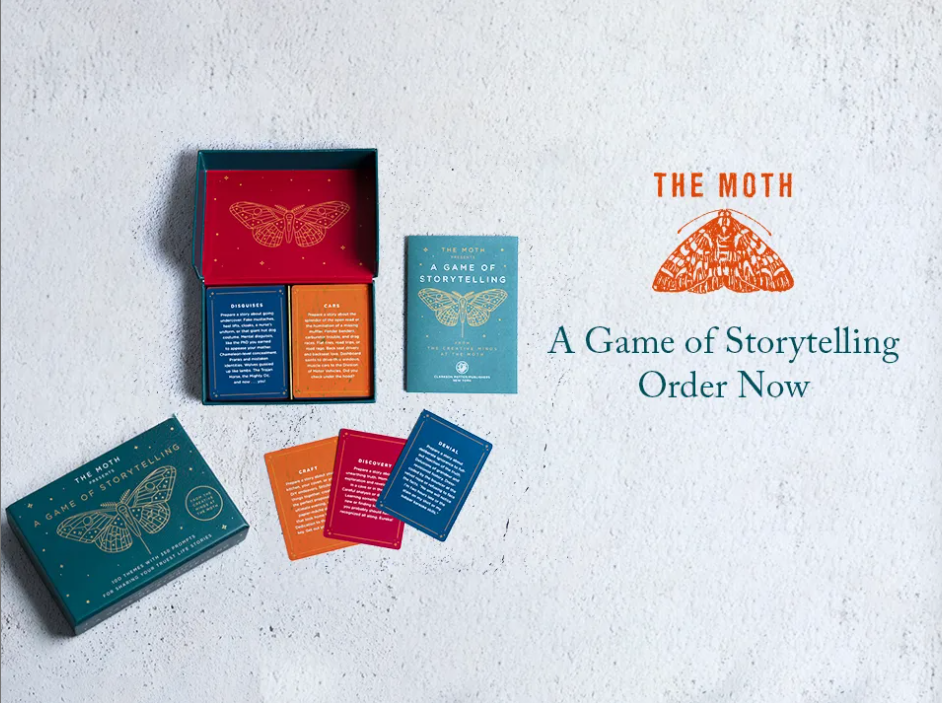
The Moth, A Game of Storying is an interactive card deck that uses true stories to encourage lively conversations, spark creativity, and improve your public speaking abilities.
After the game and discussion, we watched this powerful example of storytelling by Amanda Gorman, where creative expression turns a childhood story into a showcasing of identity and perspective, in a way that I think moves the audience to feel inspired and seen in her story.
During the In-Service Week at MPFS, I found myself immediately immersed in community-building experiences that aligned with everything I’ve been learning over the summer about Responsive Classroom practices from The First Six Weeks and the 5 Pursuits from Gholdy Muhammad’s Unearthing Joy.
We began by playing The Moth: A Game of Storytelling, pairing up with other teachers we didn’t yet know yet or very well, and responded to questions like, “What are your biggest fears?”, “A time you followed your heart?”, and “A time you had to let go?” The vulnerability of these prompts surprised me, but as I stepped into the center of the room and out of my shell, I quickly understood the significance of these questions.
They pushed us past surface-level introductions and into genuine storytelling, the kind that requires active listening, empathy, and openness. It was meaningful to feel my voice matter right away, to be welcomed as a full participant whose thoughts were valued just as much as those of the experienced teachers. The cards encouraged reflection that felt similar to what I saw in Amanda Gorman’s performance later that morning: the idea that storytelling can reveal not just who we are, but what we care about, and how we connect to one another.
I appreciated how the activity mirrored the goals of Think-Pair-Share—offering space to think deeply, share with a partner, and then learn from the collective group—while emphasizing relationship-building over performance or competition. It reminded me that cultivating belonging isn’t only something we do for students; teachers need community, too. One of the core concepts of The First Six Weeks is that the beginning of any learning community is a critical point where relationships, expectations, and a sense of shared purpose are built. During the in-service, the facilitators intentionally structured the experience so we could feel welcomed, included, and connected before any logistical or academic content was discussed. This mirrors the Responsive Classroom belief that emotional safety and belonging must come first in order for meaningful learning to happen. And this In-Service experience showed me that a school’s adult culture sets the tone for its classrooms. Entering a space where collaboration, vulnerability, and shared humanity were prioritized reassured me that I am joining a school community that practices what it hopes to teach, and it inspired my commitment to fostering those same values as the school year began at MPFS, and with my future students.
